UNICEF Warns 1.8 Million Somali Children Face Severe Malnutrition Crisis
UNICEF chief raises alarm over worsening child malnutrition in Somalia, citing fuel costs, supply disruptions, and ongoing drought. International support urgently needed to prevent humanitarian catastrophe.

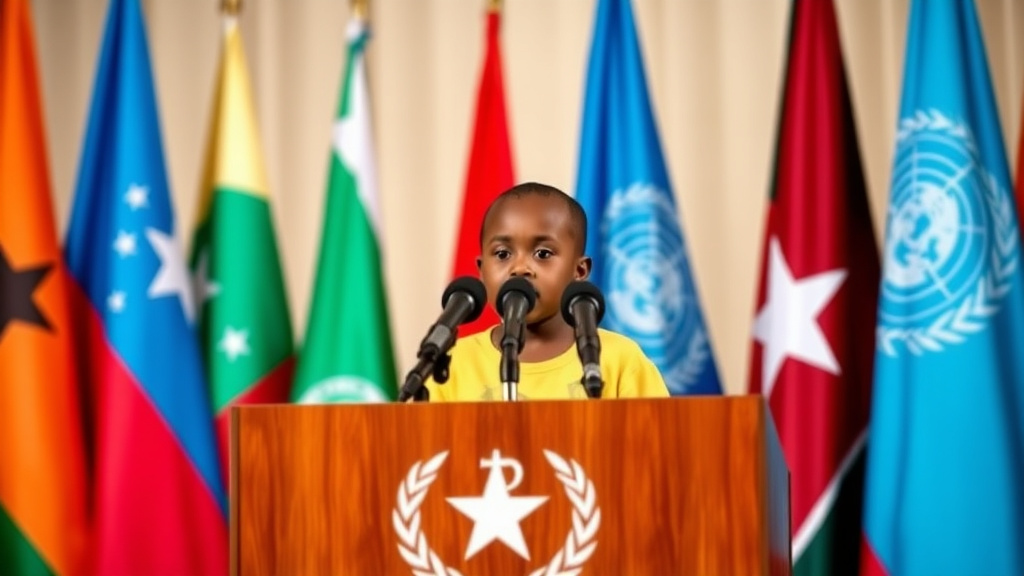
UNICEF Executive Director Catherine Russell has issued an urgent appeal for international support as Somalia faces a dire humanitarian crisis, with an estimated 1.8 million children at risk of severe malnutrition. The warning comes as the Horn of Africa nation grapples with a perfect storm of rising fuel costs, supply chain disruptions from Red Sea conflicts, and the lingering effects of its worst drought in decades.
Somalia's vulnerability to food insecurity stems from its complex history of civil conflict and climate challenges. The country, which has struggled with political instability since the collapse of central government in 1991, has seen five consecutive failed rainy seasons between 2020 and 2022, devastating agricultural production and livestock herds that form the backbone of its rural economy. According to the World Food Programme, approximately 4.3 million Somalis - nearly a quarter of the population - currently require humanitarian food assistance.
The impact of global events has further complicated Somalia's humanitarian landscape. "The disruption of shipping routes through the Red Sea due to ongoing conflicts has increased delivery times for essential supplies by up to 20 days and raised costs by approximately 40%," explains Ahmed Mohamed, Somalia Country Director for Save the Children. "These delays are catastrophic when dealing with severe malnutrition cases where every day counts."
UNICEF's latest assessment reveals alarming statistics. Over 1.8 million children under five are projected to suffer from acute malnutrition in 2024, with 460,000 likely to face severe acute malnutrition - the deadliest form of the condition. The organization's data shows that global aid cuts have reduced humanitarian funding for Somalia by 20% compared to 2023, severely impacting emergency response capabilities.
Read Also
Kenyan AI Startup AfriLang Raises $15M to Build Language Models for 50+ African LanguagesNairobi-based AfriLang AI has closed a $15 million Series A to develop AI language models purpose-built for African languages, from Swahili to Wolof.
Local healthcare workers are reporting increasingly dire conditions on the ground. Dr. Amina Hassan, director of Mogadishu's Banadir Hospital, states, "We're seeing a dramatic increase in severe malnutrition cases, particularly among displaced families. Our therapeutic feeding centers are overwhelmed, and without additional support, we risk losing many young lives."
The crisis has prompted responses from regional organizations. The Intergovernmental Authority on Development (IGAD) has pledged to coordinate emergency assistance, while the African Union has called for increased international support. However, experts warn that current commitments fall far short of the estimated $2.6 billion needed for comprehensive humanitarian response in Somalia this year.
The long-term implications of this crisis extend beyond immediate survival. Education officials report increasing school dropout rates as families prioritize food security, threatening to create a lost generation. Economic analysts predict the crisis could reverse recent gains in Somalia's recovery efforts, potentially destabilizing the region further.
Source: AllAfrica
Source: AllAfrica
Related Articles
 Top Stories
South Sudan Electoral Reforms Face Critical Deadline as Three Peace Initiatives Launch
South Sudan grapples with implementing crucial electoral reforms as international mediators launch three parallel peace initiatives. Time is running out for meaningful elections in the world's youngest nation.
 Top Stories
Uganda Refugee Program Faces $217 Million Funding Gap as Policy Changes Loom
Uganda's globally acclaimed refugee program confronts severe funding shortages and policy shifts that threaten its sustainability. The country hosts 1.5 million refugees, the largest refugee population in Africa.
 Top Stories
Bobi Wine Flees Uganda as Opposition Space Narrows Under Museveni
Opposition leader Bobi Wine's escape from Uganda highlights shrinking political freedoms and internal regime divisions under President Museveni's rule.