Sudan Marks 7th Anniversary of April 6 Sit-in With Anti-War Protests
Sudanese political parties commemorate the 2019 revolution anniversary amid ongoing conflict, demanding civilian rule restoration.

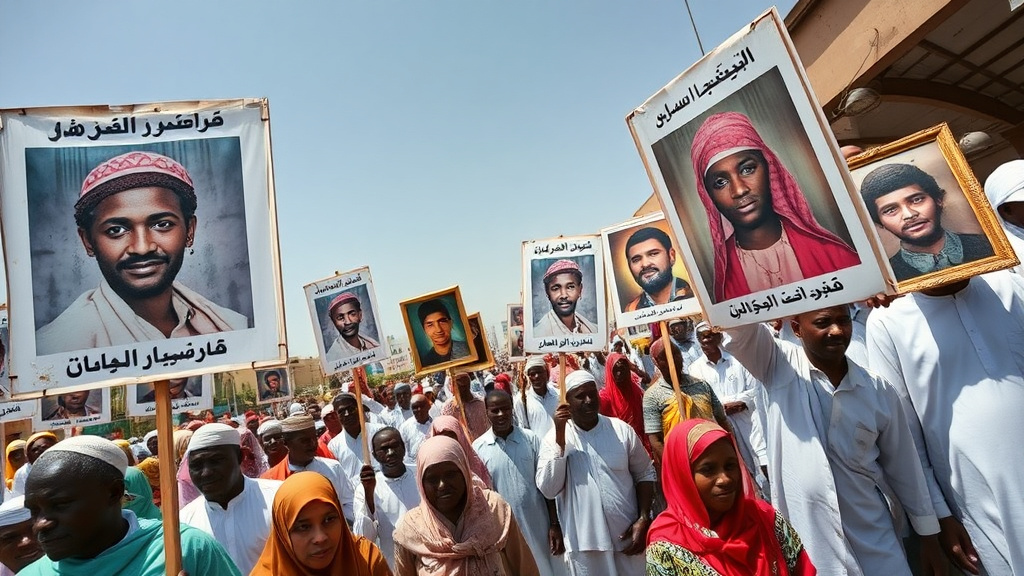
Sudanese political parties and civil society organizations commemorated the seventh anniversary of the historic April 6, 2019 sit-in outside the General Command in Khartoum with renewed calls for an immediate end to the devastating war and restoration of civilian governance. The anniversary comes as Sudan continues to grapple with a brutal conflict that has displaced millions and shattered the country's democratic aspirations. Political leaders and activists used the symbolic date to reinforce their commitment to the revolution's original goals of freedom, peace, and justice. The commemorations took place across multiple locations, including Port Sudan, as the capital Khartoum remains largely inaccessible due to ongoing fighting between the Sudanese Armed Forces and the Rapid Support Forces.
Historical Significance of April 6 Revolution Movement
The April 6, 2019 sit-in marked a pivotal moment in Sudan's modern history, representing the culmination of months of protests that began in December 2018 over economic hardships and authoritarian rule. The peaceful demonstration outside the military headquarters in Khartoum became the epicenter of a revolution that ultimately led to the overthrow of longtime dictator Omar al-Bashir after 30 years in power. According to the Sudan Doctors Committee, over 250 protesters were killed during the revolution, with hundreds more injured in violent crackdowns by security forces. The sit-in lasted for several weeks and drew hundreds of thousands of Sudanese from all walks of life, creating a vibrant protest camp that became a symbol of democratic aspirations across Africa. The movement was particularly notable for the prominent role played by women, youth, and professional associations in organizing and sustaining the demonstrations.
Current War's Impact on Democratic Transition
The current conflict, which erupted in April 2023 between the Sudanese Armed Forces led by General Abdel Fattah al-Burhan and the Rapid Support Forces commanded by General Mohamed Hamdan Dagalo, has effectively derailed Sudan's fragile transition to civilian rule. According to the United Nations Office for the Coordination of Humanitarian Affairs, the war has displaced over 7.1 million people internally and forced more than 1.7 million to flee to neighboring countries. The conflict has particularly devastated Khartoum, once home to over 5 million people, transforming the bustling capital into a battleground where basic services have collapsed. International mediation efforts, including initiatives by the African Union and the Intergovernmental Authority on Development (IGAD), have so far failed to achieve a lasting ceasefire or meaningful negotiations between the warring parties.
Read Also
Kenyan AI Startup AfriLang Raises $15M to Build Language Models for 50+ African LanguagesNairobi-based AfriLang AI has closed a $15 million Series A to develop AI language models purpose-built for African languages, from Swahili to Wolof.
Political Forces Rally for Civilian Government Restoration
Leading political figures and civil society activists used the anniversary to emphasize their unwavering commitment to civilian rule and democratic governance. "The April 6 revolution represents the authentic voice of the Sudanese people who sacrificed their lives for freedom and dignity," stated Dr. Omar el-Digeir, a prominent leader of the Forces of Freedom and Change coalition, during commemorative events in Port Sudan. The Sudanese Professionals Association, which played a crucial role in organizing the original protests, issued a statement calling for "an immediate end to the senseless war and a return to the path of democratic transformation that our martyrs died for." Political parties across the spectrum, including the Umma Party and the Democratic Unionist Party, coordinated their messaging around the anniversary, emphasizing national unity and rejection of military rule. The Resistance Committees, grassroots organizations that emerged during the revolution, organized local commemorative events in neighborhoods across Sudan and in refugee camps in Chad, Egypt, and other neighboring countries.
The seventh anniversary of Sudan's April 6 revolution serves as a stark reminder of the distance between the democratic aspirations that drove millions to the streets and the current reality of civil war and military rule. The continued mobilization of civil society forces around this symbolic date demonstrates the enduring power of the revolutionary ideals, even as the country faces its gravest crisis since independence. As regional and international actors continue efforts to mediate an end to the conflict, the voices of ordinary Sudanese calling for peace and civilian governance remain central to any sustainable solution. The legacy of April 6 continues to inspire not only Sudanese activists but also democratic movements across Africa, serving as a testament to the power of peaceful resistance against authoritarian rule.
Source: AllAfrica
Related Articles
 Top Stories
Global Fund Grants $1.6M Emergency TB Support for Crisis-Hit Sudan Through 2026
The Global Fund approves $1.6 million in emergency funding to support tuberculosis diagnosis and treatment for displaced Sudanese. Program targets IDPs and host communities through 2026.
 Top Stories
Bobi Wine Flees Uganda as Opposition Space Narrows Under Museveni
Opposition leader Bobi Wine's escape from Uganda highlights shrinking political freedoms and internal regime divisions under President Museveni's rule.
 Top Stories
Sudan Health Workers Face Medical Crisis as 15,000 Flee South Kordofan Violence
Medical staff at South Kordofan maternity hospital struggle with severe shortages as violence displaces thousands. Healthcare system collapses under pressure.