Kenya DCI Arrests Senior Energy Officials Over Fuel Supply Manipulation
Kenyan detectives arrest top energy sector officials over alleged fuel supply manipulation linked to quality concerns.


Detectives from Kenya's Directorate of Criminal Investigations (DCI) have arrested several senior government and energy sector officials in connection with alleged manipulation of fuel supply systems linked to quality concerns. The arrests mark a significant escalation in ongoing investigations into Kenya's petroleum sector, which has faced persistent challenges with fuel quality and supply chain integrity. This development comes amid growing public concerns about fuel adulteration and its impact on vehicle engines and the broader economy.
Background of Kenya's Fuel Quality Crisis
Kenya has grappled with fuel quality issues for several years, with the Energy and Petroleum Regulatory Authority (EPRA) reporting multiple instances of substandard petroleum products entering the market. According to EPRA data from 2023, approximately 15% of fuel samples tested across the country failed to meet required quality standards. The country imports over 90% of its petroleum products, primarily through the Port of Mombasa, making supply chain oversight critical for maintaining fuel integrity. These quality issues have cost Kenyan consumers millions of shillings in vehicle repairs and have undermined confidence in the petroleum sector.
The manipulation of fuel supplies has historically involved various schemes, including the dilution of premium fuels with cheaper alternatives and the importation of substandard products through compromised regulatory processes. Industry experts estimate that fuel adulteration costs the Kenyan economy approximately KSh 20 billion annually through vehicle damage, reduced engine efficiency, and lost tax revenue. The Kenya Association of Manufacturers has repeatedly raised concerns about how poor fuel quality affects industrial operations and increases production costs across multiple sectors.
Details of the Current Investigation
Sources within the DCI indicate that the current investigation focuses on a sophisticated network involving officials from multiple government agencies and private sector players. The probe reportedly centers on allegations that certain officials facilitated the entry of substandard fuel into the Kenyan market by circumventing mandatory quality testing procedures. Investigators have been examining financial records, communication logs, and supply chain documentation dating back to early 2023 to build their case against the suspects.
According to a senior DCI official who spoke on condition of anonymity, "The investigation has revealed a complex web of corruption that compromises the integrity of our fuel supply chain. We are committed to ensuring that those responsible face the full force of the law." The arrests were conducted simultaneously across Nairobi and Mombasa, suggesting a coordinated operation to prevent suspects from destroying evidence or fleeing. The investigation has also involved collaboration with international partners, given the cross-border nature of petroleum imports and the involvement of multinational oil companies.
Read Also
Kenyan AI Startup AfriLang Raises $15M to Build Language Models for 50+ African LanguagesNairobi-based AfriLang AI has closed a $15 million Series A to develop AI language models purpose-built for African languages, from Swahili to Wolof.
Industry Reactions and Government Response
The Kenya Petroleum Refiners Association has welcomed the arrests, with Chairman David Ohana stating, "These decisive actions by the DCI demonstrate the government's commitment to cleaning up the petroleum sector. We fully support efforts to eliminate corruption and ensure that only quality fuel reaches consumers." The association has been advocating for stricter enforcement of quality standards and enhanced penalties for those found guilty of fuel adulteration. Several major oil marketing companies have also expressed support for the investigation, emphasizing their commitment to maintaining quality standards.
Consumer advocacy groups have praised the arrests while calling for comprehensive reforms in the petroleum sector. The Consumer Federation of Kenya has demanded greater transparency in fuel importation processes and regular publication of quality testing results. Energy Cabinet Secretary has promised that the government will implement additional safeguards to prevent future manipulation of fuel supplies, including enhanced surveillance systems and stricter licensing requirements for petroleum dealers.
The arrests represent a crucial step toward restoring public confidence in Kenya's petroleum sector and ensuring that consumers receive value for their money. The success of this investigation could serve as a deterrent to others involved in similar schemes and potentially lead to broader reforms in how Kenya manages its fuel supply chain. As the legal proceedings unfold, the case will likely influence future regulatory frameworks and enforcement mechanisms in the energy sector, with implications extending beyond Kenya to other East African countries facing similar challenges with fuel quality and supply chain integrity.
Source: AllAfrica - Capital FM
Source: AllAfrica
Related Articles
 Top Stories
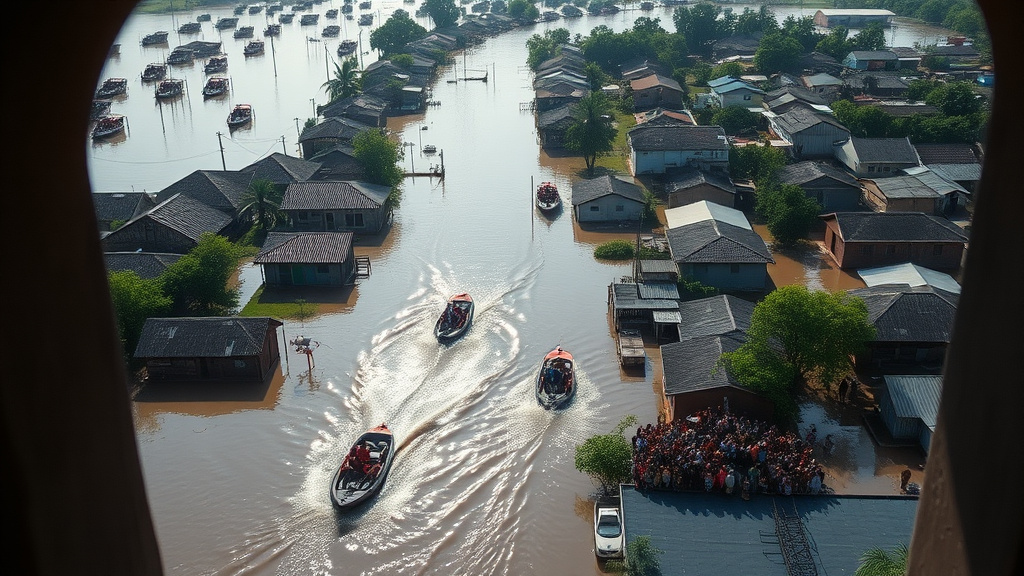
Kenya Flood Death Toll Reaches 110 as Heavy Rains Devastate 30 Counties
Devastating floods have claimed 110 lives across Kenya as heavy rains continue to pound 30 counties. Emergency services struggle to reach affected communities as infrastructure damage mounts.
 Top Stories
Kenya Ships First Zero-Tariff Export Consignment to China Under New Trade Deal
Kenya launches historic first shipment to China under new zero-tariff agreement, aiming to address trade imbalance. The deal covers over 98% of Kenyan exports to the Asian economic giant.
 Top Stories
Kenya Flood Death Toll Reaches 88 as Heavy Rains Continue Across Nation
Devastating floods across Kenya have claimed 88 lives as torrential rains continue to affect multiple regions. Emergency services are struggling to reach affected communities as infrastructure collapses.