Kenya Flood Death Toll Reaches 110 as Heavy Rains Devastate 30 Counties
Devastating floods have claimed 110 lives across Kenya as heavy rains continue to pound 30 counties. Emergency services struggle to reach affected communities as infrastructure damage mounts.

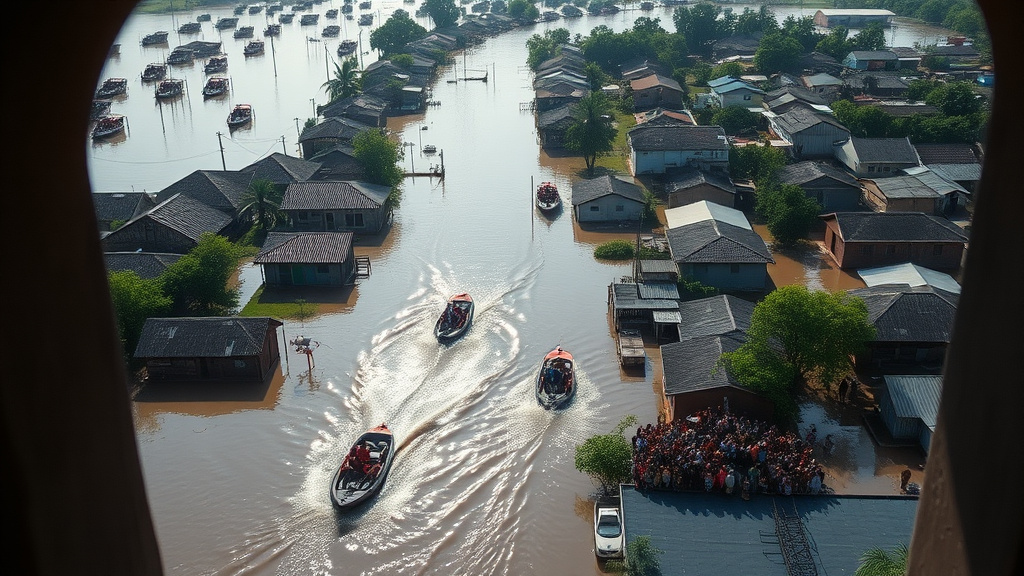
Kenya is grappling with one of its worst flooding disasters in recent history as the death toll climbs to 110 across 30 counties, with thousands more displaced and critical infrastructure severely damaged. The Kenya Meteorological Department reports that the ongoing heavy rains, which began in early March, have far exceeded seasonal averages, leading to widespread flooding and landslides particularly in the western and coastal regions of the country.
Scale of Disaster and Emergency Response
According to the National Disaster Management Authority (NDMA), over 20,000 households have been displaced, with the counties of Tana River, Garissa, and Kisumu among the worst affected. Colonel (Rtd) Cyrus Oguna, Government Spokesperson, stated that "Emergency response teams are working around the clock to reach affected communities, but damaged roads and bridges are severely hampering rescue efforts in many areas. We are utilizing helicopters and boats where possible to evacuate those at immediate risk."
The Kenya Red Cross reports that at least 40 major roads have been rendered impassable, while numerous bridges have been washed away, isolating several communities. "The situation is particularly dire in informal settlements and rural areas where drainage infrastructure is poor or non-existent," explained Dr. Asha Mohammed, Secretary General of Kenya Red Cross Society. "We are seeing cases of water-borne diseases emerging in several locations where flood waters have contaminated water sources."
Read Also
Kenyan AI Startup AfriLang Raises $15M to Build Language Models for 50+ African LanguagesNairobi-based AfriLang AI has closed a $15 million Series A to develop AI language models purpose-built for African languages, from Swahili to Wolof.
Economic Impact and Long-term Concerns
The Ministry of Agriculture estimates that over 10,000 acres of farmland have been submerged, raising concerns about food security in the coming months. The flooding has also disrupted Kenya's crucial tea and coffee growing regions, with the Tea Board of Kenya reporting potential losses exceeding KES 2 billion (approximately USD 15 million). Small-scale farmers, who make up about 80% of Kenya's agricultural sector, are among the hardest hit.
Environmental experts warn that the intensity of these floods may be linked to climate change and deforestation. Dr. Richard Lesiyampe, climate scientist at the University of Nairobi, notes: "What we're witnessing is consistent with climate change projections for East Africa - more intense rainfall events interspersed with periods of drought. The loss of forest cover in key water catchment areas has reduced the land's natural ability to absorb excess rainfall."
The government has allocated KES 4 billion (approximately USD 30 million) for immediate relief efforts, but officials acknowledge this may not be sufficient given the scale of the disaster. International aid organizations including the World Food Programme and UNICEF have launched emergency response operations to support affected communities.
Source: AllAfricaSource: AllAfrica
Related Articles
 Top Stories
Kenya Flood Death Toll Reaches 88 as Heavy Rains Continue Across Nation
Devastating floods across Kenya have claimed 88 lives as torrential rains continue to affect multiple regions. Emergency services are struggling to reach affected communities as infrastructure collapses.
 Top Stories
Kenya Ships First Zero-Tariff Export Consignment to China Under New Trade Deal
Kenya launches historic first shipment to China under new zero-tariff agreement, aiming to address trade imbalance. The deal covers over 98% of Kenyan exports to the Asian economic giant.
 Top Stories
Kenya DCI Arrests Senior Energy Officials Over Fuel Supply Manipulation
Kenyan detectives arrest top energy sector officials over alleged fuel supply manipulation linked to quality concerns.