Middle East War Disrupts Medical Aid Delivery to Sudan and Mali
Trade route disruptions from Middle East conflict delay critical medicine deliveries to African crisis zones including Sudan and Mali.

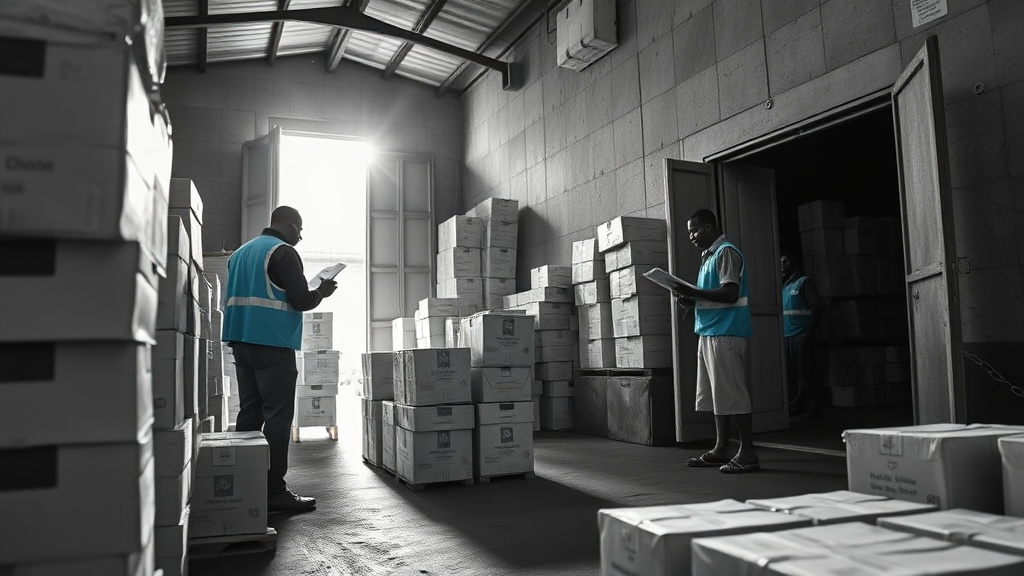
The ongoing conflict in the Middle East has created a ripple effect across Africa, significantly disrupting humanitarian aid deliveries to some of the continent's most vulnerable populations. Trade route interruptions have caused substantial delays in the delivery of essential medicines and humanitarian supplies to crisis zones including Sudan and Mali, where millions of people depend on international assistance for survival. The disruption comes at a critical time when both countries are grappling with internal conflicts and humanitarian crises that have displaced millions of civilians.
Regional Trade Routes Face Major Disruptions
The Red Sea shipping corridor, which handles approximately 12% of global trade and serves as a vital link between Europe, Asia, and Africa, has experienced significant disruptions due to the Middle East conflict. According to the International Maritime Organization, shipping costs through the Red Sea have increased by up to 300% since the conflict began, forcing many vessels to take longer alternative routes around the Horn of Africa. This rerouting adds an average of 10-14 days to delivery times and increases transportation costs substantially, directly impacting humanitarian organizations operating with limited budgets.
The disruption particularly affects the Suez Canal route, which typically handles over 1.9 billion tons of cargo annually, including critical medical supplies destined for African markets. Major shipping companies have suspended or reduced operations through this corridor, opting instead for the longer Cape of Good Hope route around South Africa. This shift has created a bottleneck effect, with humanitarian supplies competing for limited shipping capacity on alternative routes that are already operating at near maximum capacity.
Sudan and Mali Face Critical Supply Shortages
Sudan, already reeling from internal conflict that has displaced over 7.1 million people according to the UN Office for the Coordination of Humanitarian Affairs, is experiencing severe shortages of essential medicines and medical equipment. The country's healthcare system, which was fragile before the current crisis, now faces additional strain as supply chains from traditional routes through the Red Sea have been severely compromised. Local hospitals report critical shortages of antibiotics, vaccines, and surgical supplies, with some facilities operating at less than 30% of their normal capacity.
Mali, where ongoing security challenges have created one of the world's most complex humanitarian crises, is similarly affected by the supply chain disruptions. The country hosts approximately 400,000 internally displaced persons and refugees, according to UNHCR data, all requiring sustained humanitarian support. "The delays in medical supplies are putting lives at risk, particularly in remote areas where our mobile clinics are the only source of healthcare for thousands of people," said Dr. Aminata Traoré, a field coordinator with Médecins Sans Frontières operating in northern Mali. The organization reports that some critical medications are now taking up to six weeks longer to reach their destinations compared to pre-conflict timelines.
Read Also
Leaked Documents Link Ghana Presidential Advisor to $45M in Offshore AccountsConfidential financial documents reveal a senior advisor to Ghana's president operated a network of offshore accounts worth $45 million through shell companies in the BVI and Dubai.
Humanitarian Organizations Scramble for Alternative Solutions
International aid organizations are being forced to adapt quickly to the new logistics reality, often at significant additional cost. The World Food Programme has reported that alternative shipping routes have increased their operational costs by approximately 15-20%, forcing difficult decisions about program priorities and coverage areas. Some organizations are exploring air freight options for the most critical supplies, though this approach is significantly more expensive and limited in capacity compared to sea transport.
"We are seeing unprecedented challenges in our supply chain management, with some of our most critical medical supplies facing delays of three to four weeks," explained Sarah Mukamana, regional logistics coordinator for the International Committee of the Red Cross. The organization has had to pre-position more supplies in strategic locations across West and East Africa to mitigate the impact of shipping delays, though this approach requires additional warehousing costs and ties up limited financial resources.
The broader impact of these disruptions extends beyond immediate humanitarian needs, affecting long-term development programs and economic stability across the region. Countries like Sudan and Mali, which already face significant economic challenges, are seeing increased prices for basic commodities as transportation costs rise. This inflationary pressure compounds existing hardships for local populations and may contribute to further instability in regions already struggling with conflict and governance challenges. The situation underscores the interconnected nature of global crises and highlights how conflicts in one region can have far-reaching humanitarian consequences across continents, particularly affecting Africa's most vulnerable populations who depend on international assistance for basic survival needs.
Source: AllAfrica - https://allafrica.com/stories/202604070071.html
Source: AllAfrica
Related Articles
 Top Stories
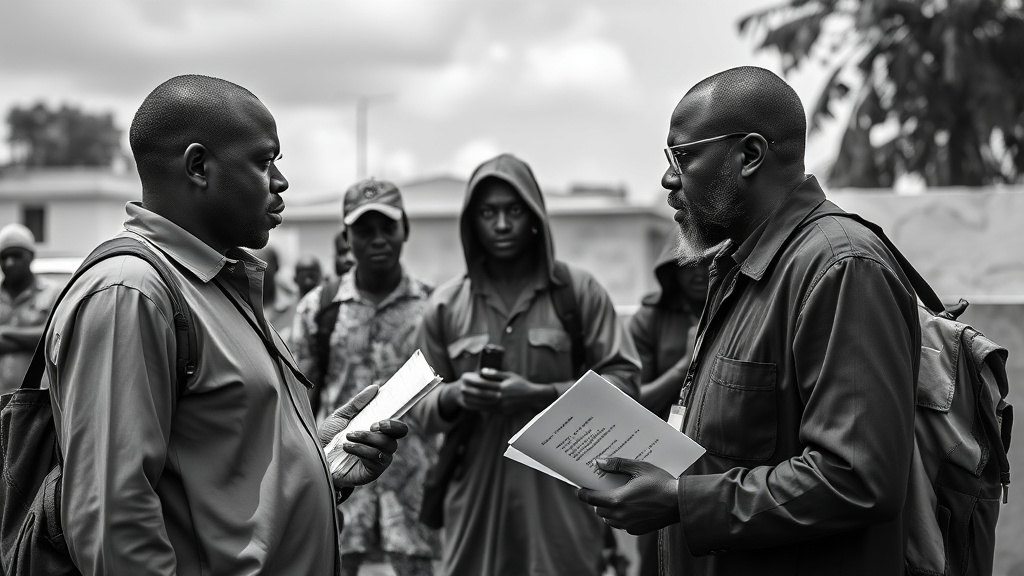
Nigerian Terror Suspects Admit Spying on US, Israeli Embassies in Abuja Court Case
Three terror suspects face trial in Abuja for allegedly conducting surveillance on US and Israeli diplomatic missions in Nigeria on behalf of Iranian contacts. Court grants accelerated hearing.
 Top Stories
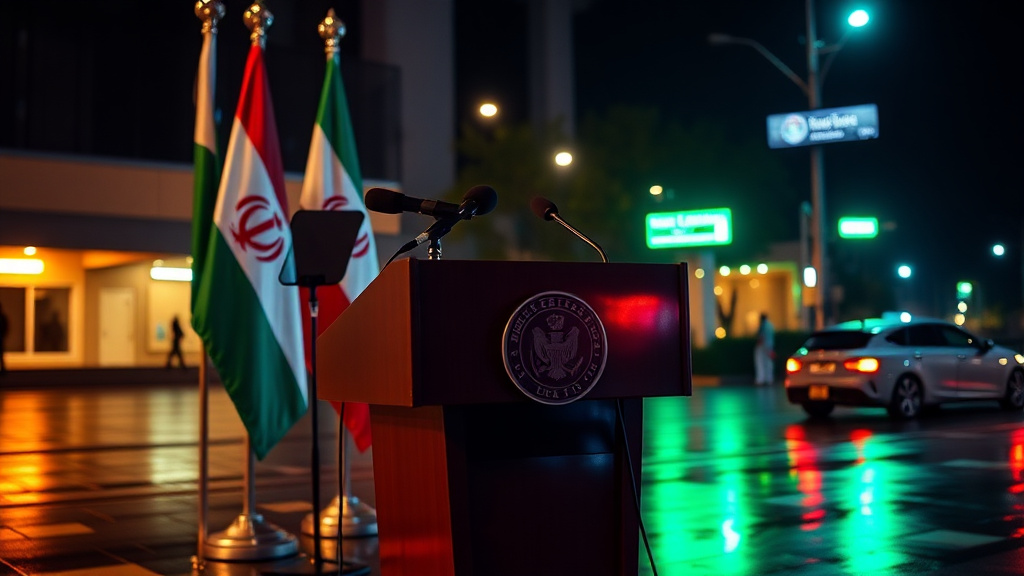
Nigerian Court Fast-tracks Trial of 3 Iranian Embassy Spying Suspects
Three terror suspects face trial in Abuja for allegedly conducting surveillance on US and Israeli embassies in Nigeria on behalf of Iranian contacts. The case highlights growing concerns about international espionage networks.
 Top Stories
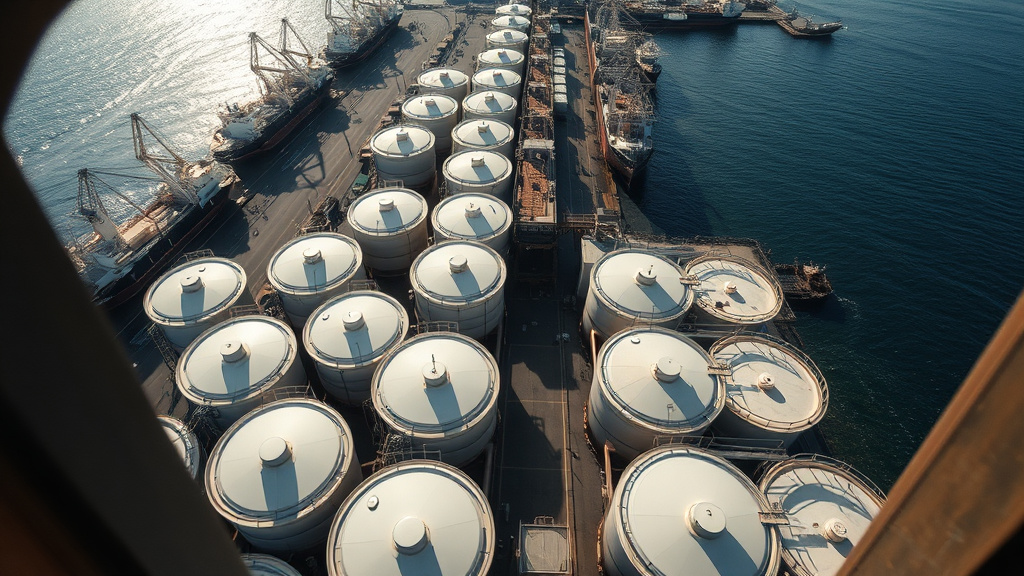
Africa Braces for Fuel Price Surge as Hormuz Strait Disruptions Escalate
Continental supply chain experts warn of rising fuel and food costs as shipping disruptions in critical Middle Eastern waterway threaten African imports.