United States Donates Nuclear Protection Equipment to Mozambique
US government provides CBRN protective equipment to Mozambique to enhance security against chemical, biological, radiological and nuclear threats.

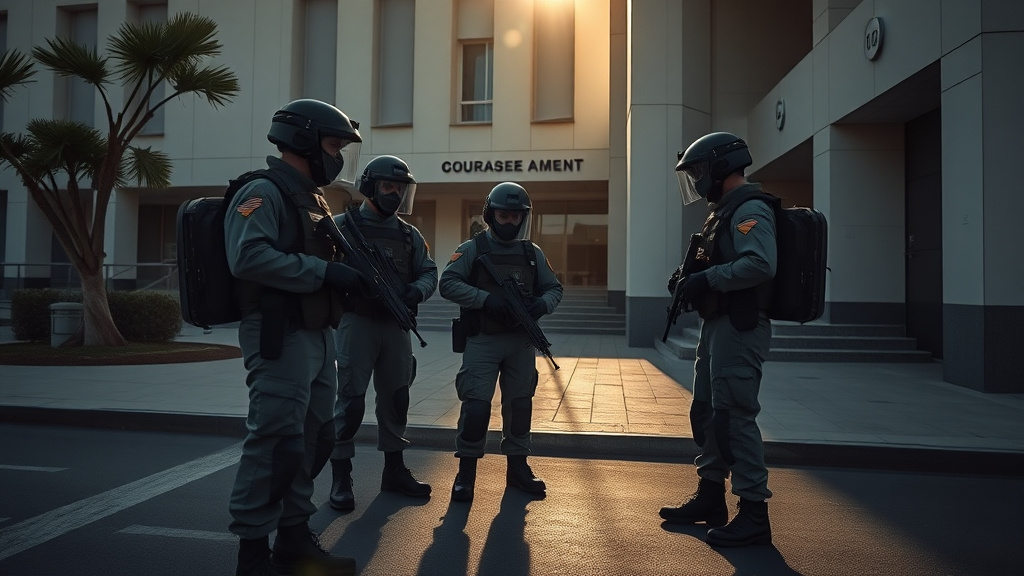
The United States government has donated specialized protective equipment to Mozambique designed to safeguard against chemical, biological, radiological and nuclear (CBRN) threats, marking a significant enhancement to the southern African nation's security capabilities. This donation comes as part of broader international efforts to strengthen African nations' preparedness against unconventional security threats in an increasingly complex global security environment. The equipment handover ceremony took place in Maputo, with officials from both governments emphasizing the strategic importance of this security partnership.
Regional Security Context and CBRN Threat Assessment
Mozambique's strategic location along the Indian Ocean coast makes it a critical partner in regional security efforts, particularly given the country's extensive 2,470-kilometer coastline and its proximity to major shipping lanes. The nation has been grappling with various security challenges, including the ongoing insurgency in Cabo Delgado province, which has displaced over 946,000 people according to the International Organization for Migration. CBRN threats have become an increasing concern across East Africa, with experts noting that terrorist groups have shown interest in acquiring unconventional weapons capabilities.
The donation aligns with the United States' broader Africa security strategy, which has allocated approximately $7.2 billion in security assistance to African partners since 2010, according to the US Department of Defense. Regional security experts have highlighted the importance of building local capacity to detect and respond to CBRN incidents, particularly in countries with limited technical infrastructure.
"Building indigenous capacity to respond to CBRN threats is essential for regional stability and global security," said Dr. Sarah Mitchell, a security analyst at the Institute for Security Studies.
Equipment Specifications and Training Components
The donated equipment package includes detection devices, protective suits, decontamination materials, and specialized communication systems designed to operate in tropical conditions typical of Mozambique's climate. These sophisticated instruments can identify trace amounts of radioactive materials, chemical agents, and biological contaminants, providing early warning capabilities that are crucial for effective emergency response. The equipment is designed to meet international standards set by the International Atomic Energy Agency and the Organisation for the Prohibition of Chemical Weapons.
Accompanying the equipment donation is a comprehensive training program that will be conducted over six months, involving Mozambican military personnel, police units, and emergency responders. The training curriculum covers threat identification, proper equipment usage, decontamination procedures, and inter-agency coordination protocols.
"This partnership demonstrates our commitment to helping African nations build robust defense capabilities against 21st-century threats," stated Ambassador John Thompson during the handover ceremony.The program will train approximately 150 Mozambican personnel across various security agencies, creating a network of CBRN-capable responders throughout the country.
Read Also
Springboks Include 19-Year-Old Flanker Siya Mthethwa in 35-Man Squad for All Blacks SeriesHead coach Rassie Erasmus picks uncapped 19-year-old Siya Mthethwa — with just four Super Rugby caps — in a bold selection for the test series against New Zealand.
Government Response and Strategic Implications
Mozambican officials have welcomed the donation as a significant step toward modernizing the country's security infrastructure and enhancing its ability to protect critical facilities including ports, airports, and government installations. The equipment will be integrated into existing emergency response protocols and will support the country's efforts to meet international security standards required for major infrastructure projects. This includes the massive liquefied natural gas projects in Cabo Delgado, which represent over $60 billion in foreign investment according to the Mozambique Ministry of Mineral Resources and Energy.
The donation also strengthens bilateral security cooperation between the United States and Mozambique, building on existing partnerships in counterterrorism, maritime security, and peacekeeping operations. Regional analysts note that this equipment transfer reflects growing international recognition of Mozambique's strategic importance in southern Africa's security architecture. The initiative complements similar programs across the continent, including CBRN capacity building efforts in Kenya, Nigeria, and South Africa, creating a network of prepared nations capable of responding to unconventional threats.
This security enhancement comes at a critical time as Mozambique continues to address multiple challenges including natural disasters, terrorism, and economic development needs. The CBRN capabilities will not only improve security preparedness but also support the country's ability to safely manage its growing energy sector and maintain its position as a key partner in regional stability efforts. The success of this program could serve as a model for similar initiatives across Africa, where many nations face comparable security challenges with limited technical resources.
Source: AllAfrica - https://allafrica.com/stories/202604030525.html
Source: AllAfrica
Related Articles
 Top Stories
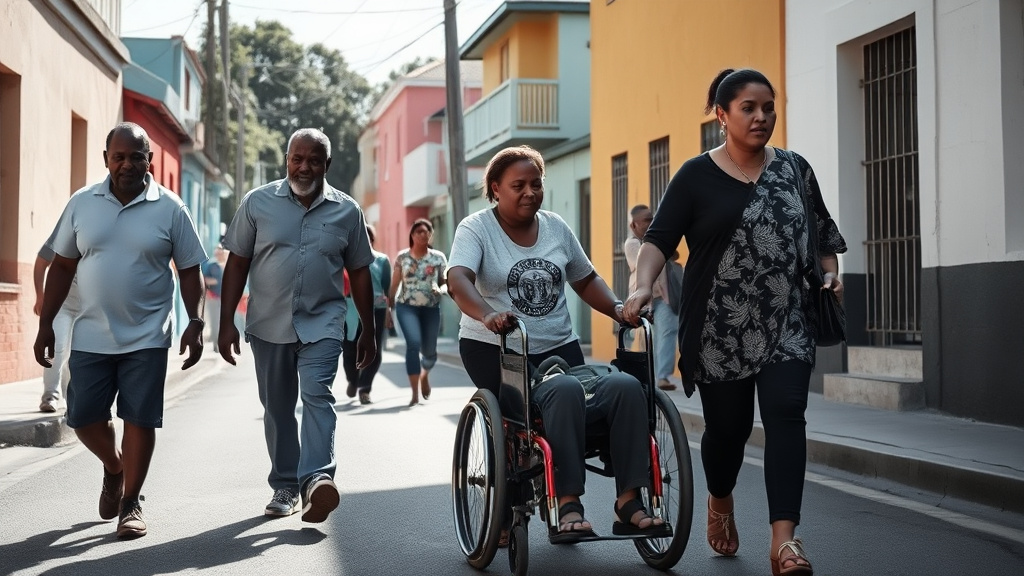
Cape Mental Health Champions Rights for 50,000 Vulnerable South Africans
Non-profit organization advocates for dignity and inclusion of people with intellectual disabilities across Western Cape communities.
 Top Stories
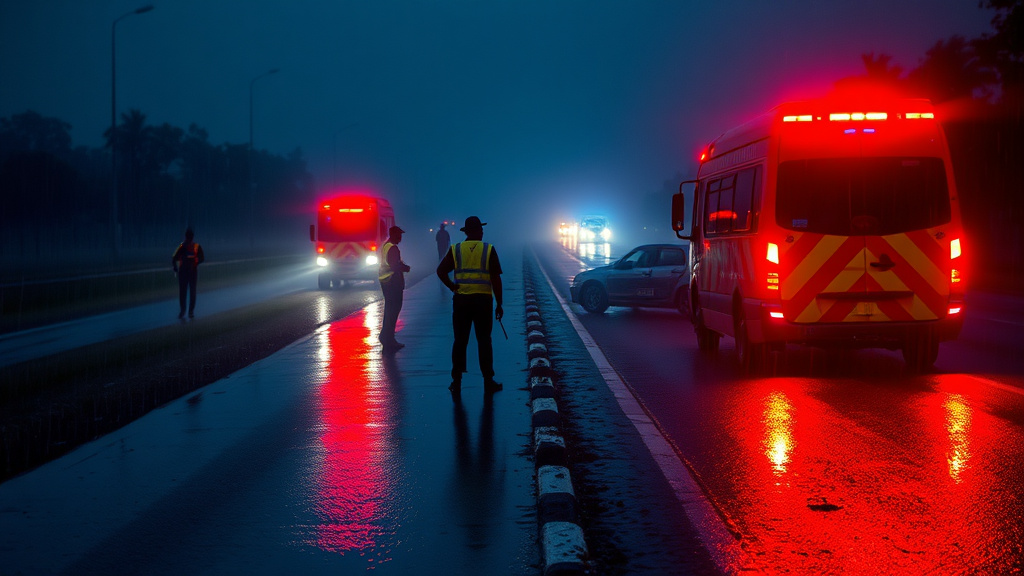
Zimbabwe Police Identify 6 Family Members Killed in Easter Highway Crash
Six members of one family died in a traffic accident on the Harare-Masvingo highway on Easter eve. Police have released victim identities.
 Top Stories
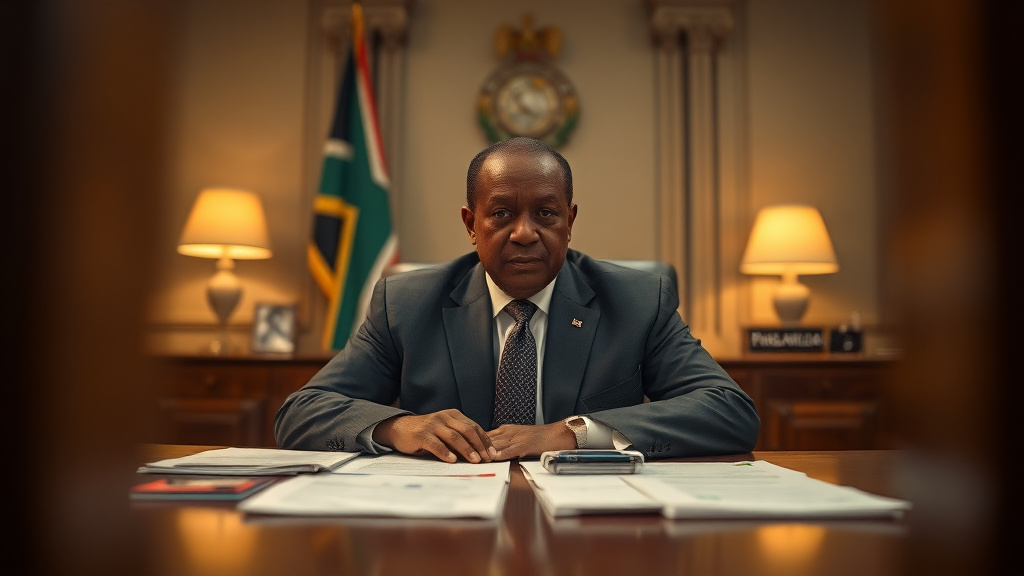
South African Health Minister Opens Dialogue on NHI Implementation Amid Legal Challenges
Health Minister Aaron Motsoaledi initiates talks with medical organizations to address concerns over the National Health Insurance Act, as multiple stakeholders prepare legal challenges.