Sudan Health Workers Face Medical Crisis as 15,000 Flee South Kordofan Violence
Medical staff at South Kordofan maternity hospital struggle with severe shortages as violence displaces thousands. Healthcare system collapses under pressure.
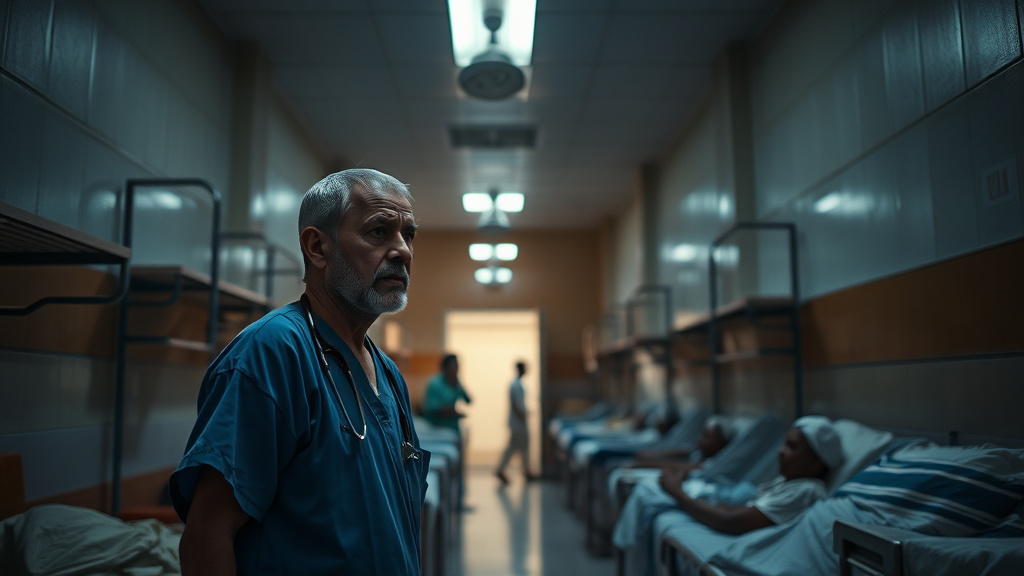
Medical workers at a crucial maternity hospital in Sudan's South Kordofan state are confronting devastating shortages of essential supplies as ongoing violence forces tens of thousands of residents to flee their homes. Healthcare professionals report being forced to make impossible life-or-death decisions as the conflict-torn region's medical infrastructure crumbles under the weight of displacement and resource scarcity. The crisis has left doctors and nurses watching helplessly as preventable deaths occur due to lack of basic medical equipment and medications.
South Kordofan Healthcare System Under Siege
South Kordofan, located in the heart of Sudan along the border with South Sudan, has been a flashpoint for conflict since Sudan's partition in 2011. The state, rich in oil resources and home to diverse ethnic communities including the Nuba people, has experienced recurring violence that has systematically destroyed civilian infrastructure. The current crisis has displaced an estimated 15,000 people according to UN humanitarian reports, with many seeking refuge in neighboring states or overcrowded displacement camps. The region's strategic location along traditional trade routes and its agricultural significance have made it a contested territory throughout Sudan's turbulent modern history.
Healthcare workers describe scenes of desperation as medical supplies dwindle to critical levels. "We watched them die before our eyes," said Dr. Amina Hassan, a senior physician at the state's main maternity facility, speaking to UN News correspondents. "We have mothers coming to us in labor complications, and we simply don't have the equipment to save them or their babies. It's heartbreaking." The hospital, which typically serves a catchment area of over 200,000 people, now operates with less than 30% of its normal medical supply inventory according to health ministry data.
Critical Shortage of Essential Medical Supplies
The medical crisis extends beyond basic supplies to include severe shortages of specialized equipment needed for maternal and neonatal care. According to the World Health Organization's latest assessment, the facility lacks 70% of essential obstetric medications, including antibiotics, anesthetics, and blood products crucial for emergency procedures. Oxygen concentrators, vital for treating respiratory complications in newborns, have been non-functional for over three weeks due to lack of maintenance parts and fuel for generators. The hospital's blood bank has been operating at less than 15% capacity, forcing medical staff to turn away patients requiring transfusions.
Power outages lasting up to 18 hours daily have compounded the crisis, with the hospital's aging generator system failing to provide consistent electricity for critical care units. Medical refrigeration units storing vaccines and temperature-sensitive medications have been compromised, leading to the loss of approximately $50,000 worth of medical supplies over the past month, according to hospital administration records. The situation has deteriorated to the point where surgical procedures are being performed using mobile phone flashlights during power cuts, creating dangerous conditions for both patients and medical staff.
Read Also
Kenyan AI Startup AfriLang Raises $15M to Build Language Models for 50+ African LanguagesNairobi-based AfriLang AI has closed a $15 million Series A to develop AI language models purpose-built for African languages, from Swahili to Wolof.
International Response and Humanitarian Concerns
The international humanitarian community has expressed grave concern over the deteriorating situation in South Kordofan, with several organizations calling for immediate intervention. "The collapse of healthcare services in conflict-affected areas like South Kordofan represents a humanitarian catastrophe that demands urgent attention," stated Dr. Margaret Chen, WHO Regional Director for Africa, during a recent briefing in Geneva. The UN Office for the Coordination of Humanitarian Affairs has reported that access to the region remains severely restricted due to ongoing security concerns, hampering relief efforts.
Médecins Sans Frontières and other international medical organizations have attempted to establish emergency medical corridors, but bureaucratic obstacles and security threats have limited their effectiveness. The African Union has allocated $2.3 million in emergency medical aid for Sudan's conflict-affected regions, though distribution mechanisms remain unclear due to the volatile security situation. Local civil society organizations report that traditional community support networks, which historically provided backup healthcare services, have been disrupted by the mass displacement of populations.
The crisis in South Kordofan reflects broader challenges facing Sudan's healthcare system as the country struggles with political instability and economic collapse following the 2021 military coup. With inflation exceeding 400% and foreign currency reserves depleted, importing essential medical supplies has become increasingly difficult for both government and private healthcare providers. The situation underscores the urgent need for sustained international support and coordinated humanitarian intervention to prevent further loss of life in one of Africa's most vulnerable regions. Without immediate action to restore medical supply chains and ensure safe access for humanitarian workers, the healthcare crisis in South Kordofan threatens to become a long-term humanitarian disaster with regional implications.
Source: AllAfrica - Sudan: 'We Watched Them Die Before Our Eyes'
Source: AllAfrica
Related Articles
 Top Stories
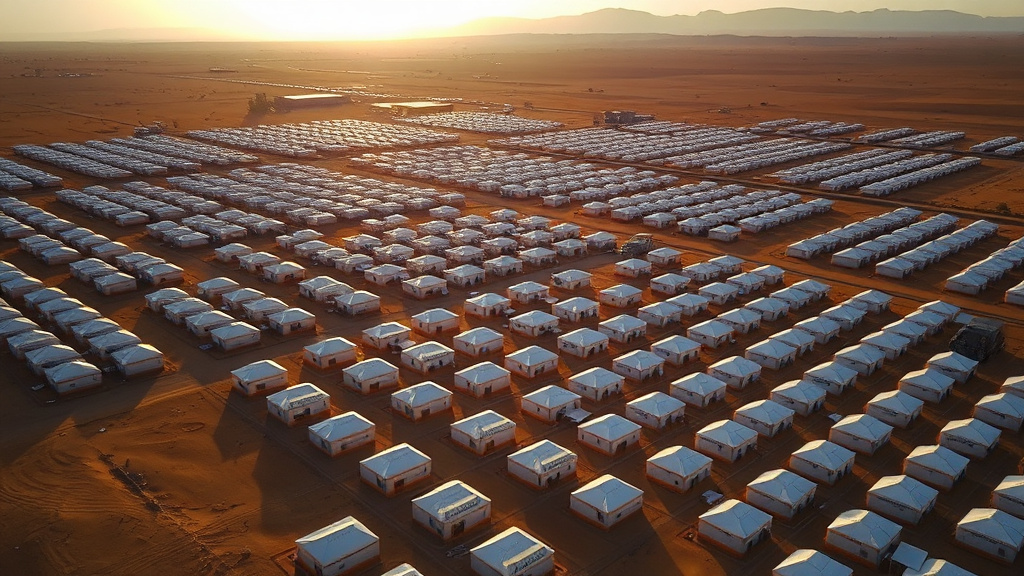
Sudan Displacement Crisis Reaches 9 Million People in Darfur Region
Over 9 million Sudanese remain internally displaced with ongoing displacement in Darfur, Kordofan, and Blue Nile states despite some returns.
 Top Stories
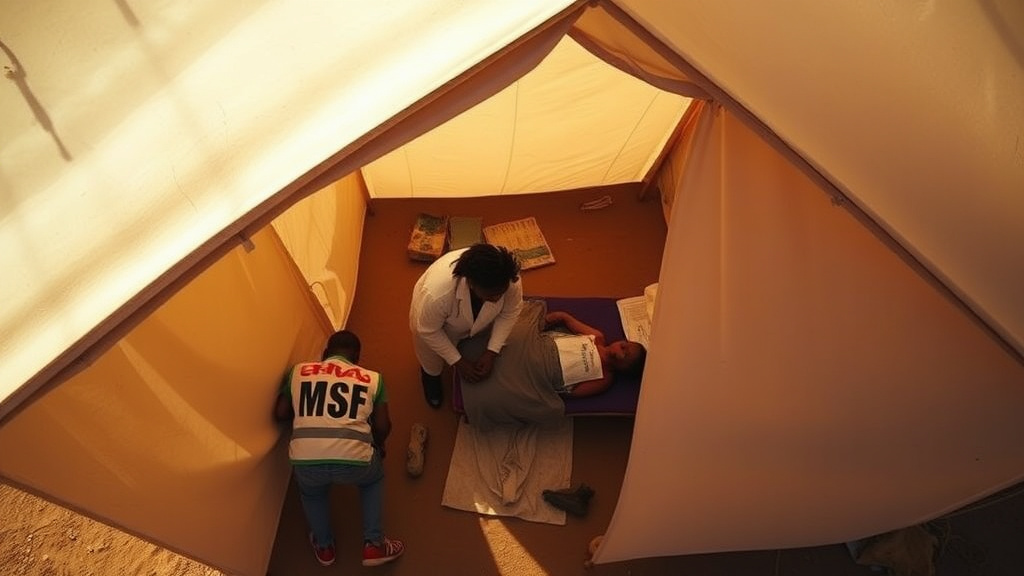
MSF Reports Widespread Sexual Violence Against Women in Darfur Conflict
Medical aid group documents systematic use of sexual violence as weapon of war across Sudan's Darfur region. No safe zones exist for women amid ongoing conflict.
 Top Stories
Global Fund Grants $1.6M Emergency TB Support for Crisis-Hit Sudan Through 2026
The Global Fund approves $1.6 million in emergency funding to support tuberculosis diagnosis and treatment for displaced Sudanese. Program targets IDPs and host communities through 2026.