Sudan Displacement Crisis Reaches 9 Million People in Darfur Region
Over 9 million Sudanese remain internally displaced with ongoing displacement in Darfur, Kordofan, and Blue Nile states despite some returns.

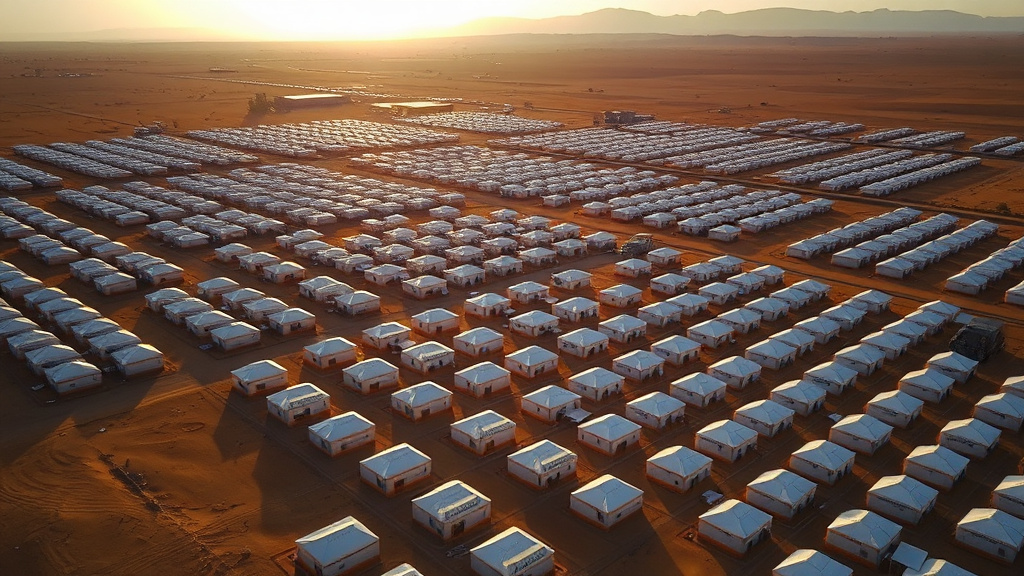
More than 9 million people remain internally displaced across Sudan, with displacement continuing in conflict-affected areas including Darfur, Kordofan, and Blue Nile states, according to the United Nations. While approximately 3.8 million people have begun returning to their homes, the massive displacement crisis represents one of the world's largest humanitarian emergencies. The figures underscore the persistent instability plaguing Sudan despite the 2019 revolution that ousted longtime dictator Omar al-Bashir and ongoing efforts to establish civilian governance.
Historical Context of Sudan's Displacement Crisis
Sudan's displacement crisis has deep historical roots stretching back decades, with the Darfur conflict alone displacing over 2 million people since 2003. The western region of Darfur, roughly the size of France, has been the epicenter of ethnic and tribal conflicts that have created waves of internal displacement. According to the Internal Displacement Monitoring Centre, Sudan has consistently ranked among the top three countries globally for internal displacement, with conflicts in South Kordofan and Blue Nile states adding to the humanitarian burden. The 2011 secession of South Sudan removed oil revenues that previously funded government services, exacerbating economic conditions that fuel displacement.
The current displacement figures reflect both legacy conflicts and new sources of instability following Sudan's political transition. Tribal conflicts over land and resources have intensified in areas like West Darfur, where competition between Arab pastoralists and African farming communities continues to generate displacement. Climate change has worsened these tensions by reducing arable land and water sources, forcing communities into closer proximity and increasing competition for scarce resources.
Current Humanitarian Situation and International Response
The 9 million internally displaced persons represent approximately 20% of Sudan's total population of 45 million people, making it one of the highest displacement rates globally. According to the UN Office for the Coordination of Humanitarian Affairs, an estimated 14.3 million people across Sudan require humanitarian assistance in 2024, with displaced populations facing acute needs for shelter, food security, and basic services. The World Food Programme reports that 7.1 million people in Sudan face severe food insecurity, with displaced populations disproportionately affected.
"The scale of displacement in Sudan represents a generational crisis that requires sustained international attention and resources," said a senior UN humanitarian official familiar with the situation. International funding for Sudan's humanitarian response has consistently fallen short of requirements, with the 2024 Humanitarian Response Plan seeking $2.7 billion to assist 14.3 million people. The European Union has provided €165 million in humanitarian aid to Sudan since 2019, while the United States contributed $356 million in humanitarian assistance in 2023 alone.
Read Also
Kenyan AI Startup AfriLang Raises $15M to Build Language Models for 50+ African LanguagesNairobi-based AfriLang AI has closed a $15 million Series A to develop AI language models purpose-built for African languages, from Swahili to Wolof.
Regional Impact and Return Challenges
While 3.8 million people have begun returning to their areas of origin, sustainable return remains complicated by ongoing insecurity, destroyed infrastructure, and limited government capacity to provide basic services. Many returnees face secondary displacement when conditions in their home areas prove untenable due to continued conflict or lack of livelihood opportunities. The African Union-United Nations Hybrid Operation in Darfur (UNAMID) officially ended its mandate in December 2020, leaving a security vacuum that has complicated return efforts and protection of civilians.
"Communities want to return home, but they need security guarantees and basic services to make return sustainable," explained a humanitarian coordinator working in Darfur. The displacement crisis has regional implications, with over 1 million Sudanese refugees in neighboring countries including Chad, Ethiopia, and Egypt. Cross-border movements continue as communities seek safety and economic opportunities, straining resources in host countries that face their own development challenges.
The persistence of large-scale displacement in Sudan highlights the complex interplay between political instability, ethnic tensions, climate pressures, and economic challenges facing the Horn of Africa region. Addressing Sudan's displacement crisis will require sustained political commitment to peace processes, significant international investment in development and humanitarian programs, and regional cooperation to address cross-border dimensions of the crisis. The international community's response to Sudan's transition period will likely determine whether the country can break cycles of conflict and displacement that have defined much of its post-independence history.
Source: AllAfrica
Source: AllAfrica
Related Articles
 Top Stories
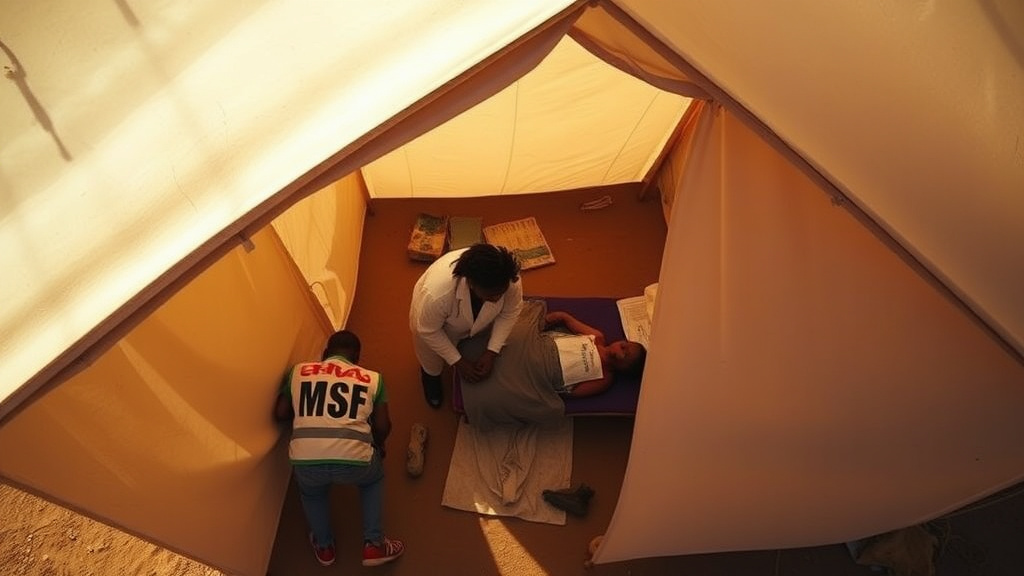
Sudan Health Workers Face Medical Crisis as 15,000 Flee South Kordofan Violence
Medical staff at South Kordofan maternity hospital struggle with severe shortages as violence displaces thousands. Healthcare system collapses under pressure.
 Top Stories
MSF Reports Widespread Sexual Violence Against Women in Darfur Conflict
Medical aid group documents systematic use of sexual violence as weapon of war across Sudan's Darfur region. No safe zones exist for women amid ongoing conflict.
 Top Stories
Sudan Seeks Special Aid Status in 2026 Global Development Strategy
Sudan calls for exceptional support measures within the 2026-2029 International Cooperation Strategy, emphasizing the unique needs of conflict-affected nations for recovery and reconstruction.