Sudan Seeks Special Aid Status in 2026 Global Development Strategy
Sudan calls for exceptional support measures within the 2026-2029 International Cooperation Strategy, emphasizing the unique needs of conflict-affected nations for recovery and reconstruction.
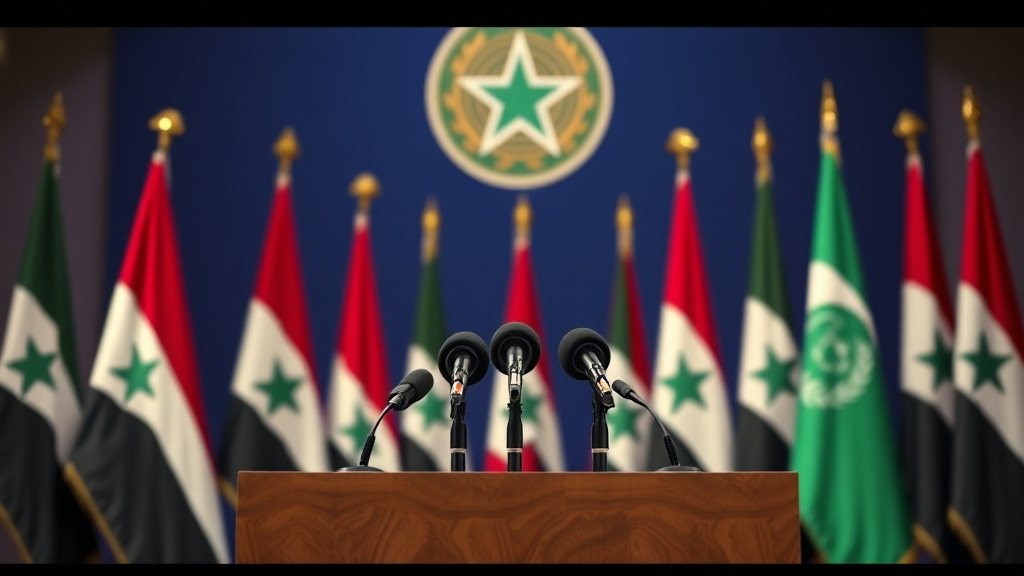
Sudan has launched a diplomatic initiative at the United Nations Geneva office, calling for special consideration and flexible support mechanisms for conflict-affected countries within the upcoming 2026-2029 International Development Cooperation Strategy. The appeal emphasizes the critical need for tailored approaches to aid recovery, reconstruction, and economic revitalization in nations struggling with the aftermath of civil conflicts and natural disasters.
This diplomatic push comes against the backdrop of Sudan's ongoing efforts to rebuild following years of internal strife that has displaced over 2.5 million people, according to the UN Refugee Agency's 2025 report. The country has faced significant challenges in maintaining basic infrastructure and essential services, with the World Bank estimating that over 60% of Sudan's population lives below the poverty line as of 2025.
The historical context of Sudan's development challenges traces back to decades of political instability, including the separation of South Sudan in 2011 and subsequent conflicts that have severely impacted the nation's economic infrastructure. According to the African Development Bank's 2025 Regional Economic Outlook, Sudan's GDP growth has remained stagnant at 1.2% annually, significantly below the African average of 3.8%.
Dr. Ahmed Hassan, Sudan's Representative to the United Nations in Geneva, stated, "We are not seeking special treatment, but rather recognition of the unique challenges faced by conflict-affected nations. The traditional development cooperation framework often fails to address the complex realities of post-conflict reconstruction." He emphasized the need for more flexible funding mechanisms and expedited aid delivery systems.
Read Also
Kenyan AI Startup AfriLang Raises $15M to Build Language Models for 50+ African LanguagesNairobi-based AfriLang AI has closed a $15 million Series A to develop AI language models purpose-built for African languages, from Swahili to Wolof.
The proposal includes specific recommendations for modifying aid distribution criteria, establishing rapid response mechanisms for emergency reconstruction, and creating specialized economic recovery programs. These measures would particularly target the restoration of essential infrastructure and the revitalization of local labor markets in affected regions.
International response to Sudan's appeal has been mixed. "The proposal raises valid points about the need for differentiated approaches to development cooperation," notes Dr. Maria Rodriguez, senior analyst at the Geneva Institute for International Development. However, some donor nations have expressed concerns about the fiscal implications of creating exceptional support categories.
The impact of this initiative could extend beyond Sudan, potentially benefiting other conflict-affected nations across Africa. The proposed modifications to the 2026-2029 strategy could establish new precedents for international development cooperation, particularly in addressing post-conflict reconstruction needs.
Source: AllAfrica
Source: AllAfrica
Related Articles
 Top Stories
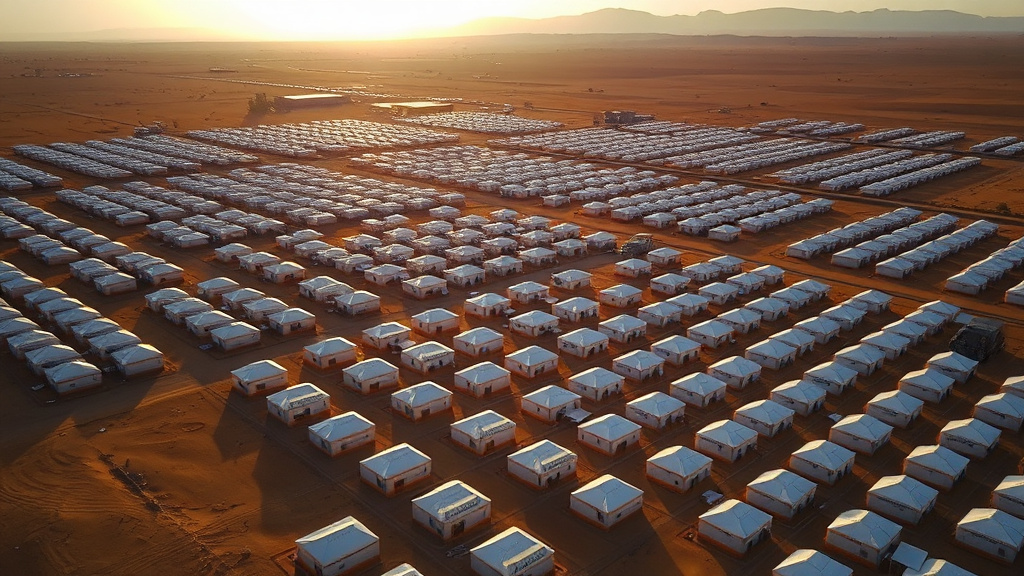
Sudan Displacement Crisis Reaches 9 Million People in Darfur Region
Over 9 million Sudanese remain internally displaced with ongoing displacement in Darfur, Kordofan, and Blue Nile states despite some returns.
 Top Stories
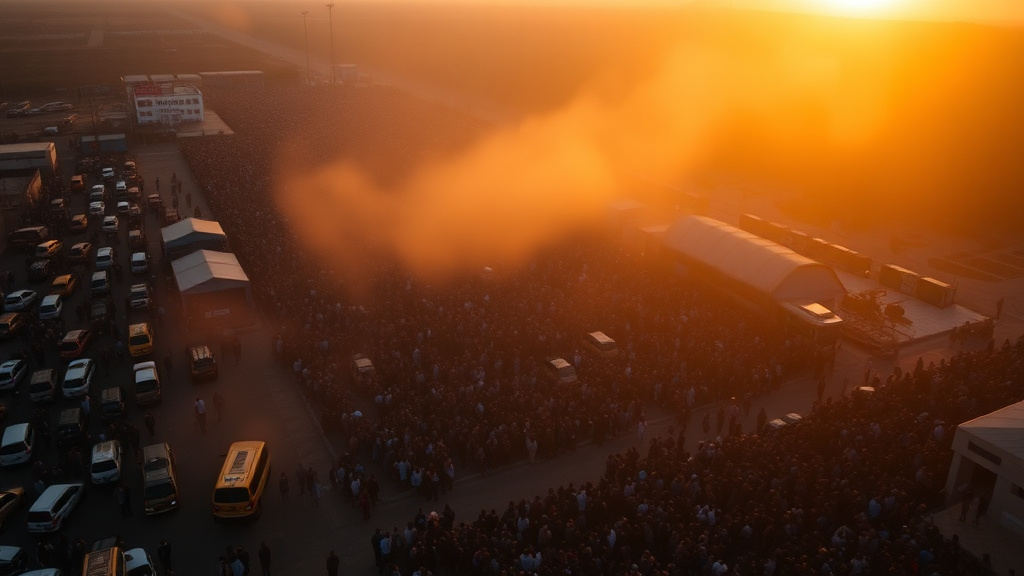
Global Fund Grants $1.6M Emergency TB Support for Crisis-Hit Sudan Through 2026
The Global Fund approves $1.6 million in emergency funding to support tuberculosis diagnosis and treatment for displaced Sudanese. Program targets IDPs and host communities through 2026.
 Top Stories
Sudan Marks 7th Anniversary of April 6 Sit-in With Anti-War Protests
Sudanese political parties commemorate the 2019 revolution anniversary amid ongoing conflict, demanding civilian rule restoration.