South Sudan Electoral Reforms Face Critical Deadline as Three Peace Initiatives Launch
South Sudan grapples with implementing crucial electoral reforms as international mediators launch three parallel peace initiatives. Time is running out for meaningful elections in the world's youngest nation.
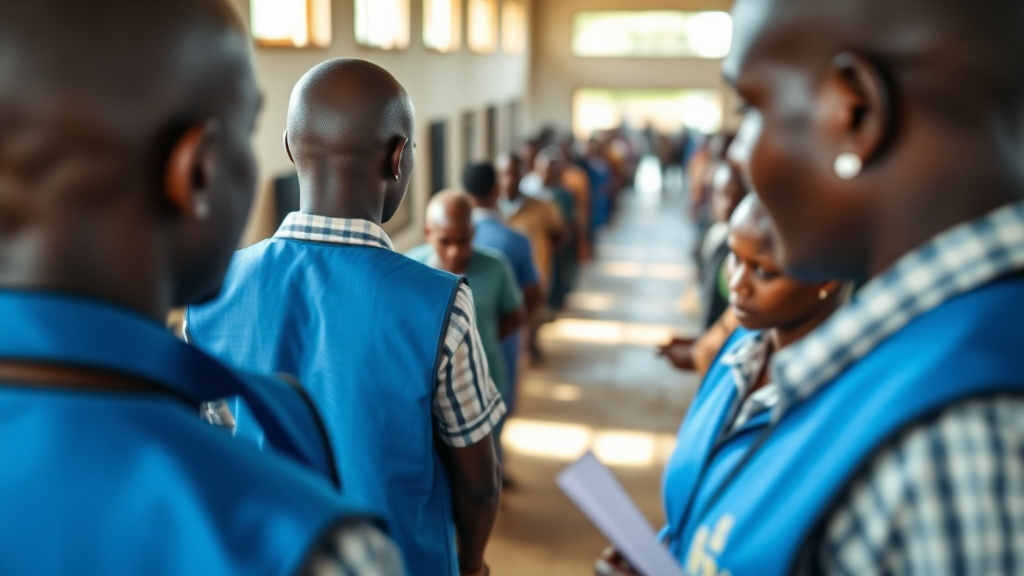
South Sudan faces a race against time to establish stable democratic institutions as the deadline for national elections approaches, with three separate peace initiatives now running simultaneously to prevent a return to conflict. The world's youngest nation, which gained independence in 2011, has struggled to maintain peace and establish functional government systems amid recurring violence and political instability.
Complex Web of Peace Initiatives
The current reform landscape includes three major initiatives: the Revitalized Agreement on the Resolution of the Conflict in South Sudan (R-ARCSS), the Rome Peace Process, and the newly launched Sudan-South Sudan Mediation effort. According to the United Nations Mission in South Sudan (UNMISS), only 27% of the critical provisions in the R-ARCSS have been implemented since its signing in 2018. Dr. James Okuk, a senior political analyst at the Center for Strategic Studies in Juba, notes that 'The multiplicity of peace processes, while well-intentioned, risks creating confusion and parallel tracks that could ultimately undermine each other.'
Electoral Challenges and Security Concerns
The country faces significant hurdles in organizing credible elections, including incomplete voter registration, unresolved territorial disputes, and ongoing security challenges. According to the International Crisis Group, more than 2.2 million South Sudanese remain internally displaced, while another 2.3 million are refugees in neighboring countries. Ambassador Nicholas Haysom, Special Representative of the UN Secretary-General, states, 'Without substantial progress in security sector reform and the integration of armed groups, the possibility of free and fair elections remains seriously compromised.'
Read Also
Kenyan AI Startup AfriLang Raises $15M to Build Language Models for 50+ African LanguagesNairobi-based AfriLang AI has closed a $15 million Series A to develop AI language models purpose-built for African languages, from Swahili to Wolof.
International Community Response
Regional and international partners have intensified their engagement, with the Intergovernmental Authority on Development (IGAD) taking a leading role. The African Union has committed $15 million to support the electoral process, while the European Union has pledged technical assistance. However, implementation remains challenging. Sarah Jackson, Deputy Regional Director for East Africa at Amnesty International, emphasizes that 'The international community must maintain pressure on all parties to implement reforms while ensuring humanitarian access to vulnerable populations.'
The coming months will be crucial for South Sudan's democratic transition. With an estimated 70% of the population under 30 years old, according to World Bank data, the stakes are particularly high for the country's youth, who have known little but conflict since independence. The success or failure of these initiatives will significantly impact regional stability and the future of democracy in East Africa.
Source: AllAfrica
Source: AllAfrica
Related Articles
 Top Stories
UNICEF Warns 1.8 Million Somali Children Face Severe Malnutrition Crisis
UNICEF chief raises alarm over worsening child malnutrition in Somalia, citing fuel costs, supply disruptions, and ongoing drought. International support urgently needed to prevent humanitarian catastrophe.
 Top Stories
Uganda Refugee Program Faces $217 Million Funding Gap as Policy Changes Loom
Uganda's globally acclaimed refugee program confronts severe funding shortages and policy shifts that threaten its sustainability. The country hosts 1.5 million refugees, the largest refugee population in Africa.
 Top Stories
Bobi Wine Flees Uganda as Opposition Space Narrows Under Museveni
Opposition leader Bobi Wine's escape from Uganda highlights shrinking political freedoms and internal regime divisions under President Museveni's rule.