Bobi Wine Flees Uganda as Opposition Space Narrows Under Museveni
Opposition leader Bobi Wine's escape from Uganda highlights shrinking political freedoms and internal regime divisions under President Museveni's rule.

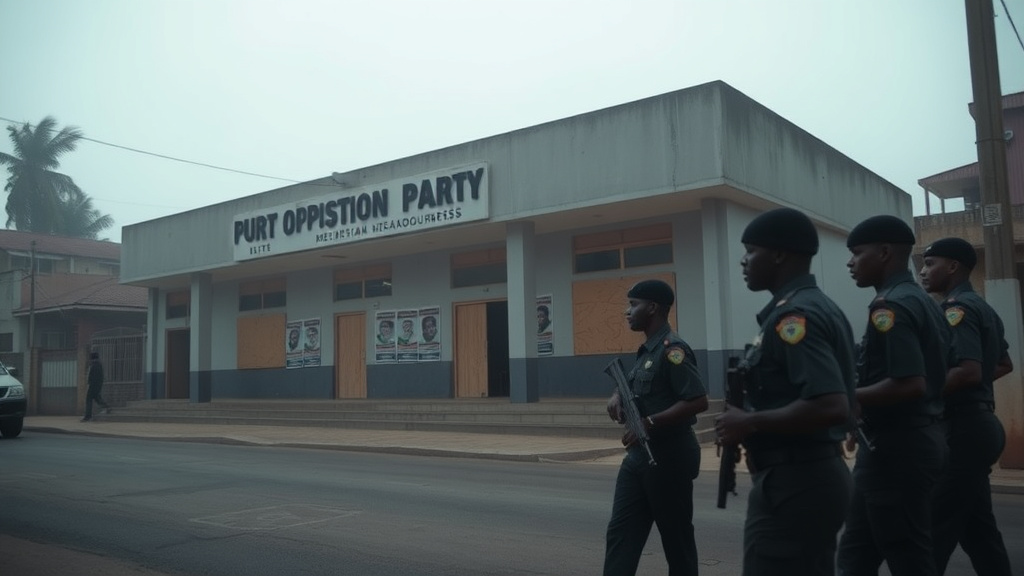
Uganda's prominent opposition leader Robert Kyagulanyi, popularly known as Bobi Wine, has fled the country amid escalating political persecution, marking a significant deterioration in the East African nation's democratic landscape. The departure of the National Unity Platform (NUP) leader underscores the increasingly hostile environment facing opposition politicians under President Yoweri Museveni's three-decade rule. Wine's escape represents not only a personal safety decision but also a broader indicator of Uganda's shrinking political space and the internal fractures within the ruling establishment.
Uganda's Deteriorating Political Climate Under Museveni
President Yoweri Museveni, who has governed Uganda since 1986, has systematically tightened his grip on power through constitutional amendments and increasingly authoritarian measures. The 2021 general elections, which saw Museveni secure a sixth term with 58.6% of the vote according to official results, were marred by widespread allegations of fraud and violence against opposition supporters. International observers, including the European Union, noted significant irregularities and restrictions on opposition campaigning activities. The aftermath of these elections witnessed intensified crackdowns on opposition figures, civil society organizations, and independent media outlets.
Bobi Wine, who officially garnered 34.8% of the presidential vote, has faced continuous harassment since emerging as Museveni's primary challenger. His transformation from popular musician to political activist began in 2017 when he won a parliamentary seat, subsequently building a formidable opposition movement that particularly resonates with Uganda's youth population. According to Uganda Bureau of Statistics data, approximately 77% of Uganda's 45 million citizens are under 30 years old, representing a demographic increasingly frustrated with limited economic opportunities and political repression.
National Unity Platform Under Siege
The National Unity Platform, founded in 2020, has become the primary target of government suppression efforts, with dozens of its members detained, tortured, or disappeared according to human rights organizations. Amnesty International documented at least 54 cases of NUP supporters who were forcibly disappeared or arbitrarily detained following the 2021 elections. The party's headquarters in Kampala has been repeatedly raided by security forces, while its regional offices across Uganda have faced similar intimidation tactics designed to cripple organizational capacity.
Read Also
Kenyan AI Startup AfriLang Raises $15M to Build Language Models for 50+ African LanguagesNairobi-based AfriLang AI has closed a $15 million Series A to develop AI language models purpose-built for African languages, from Swahili to Wolof.
"The systematic persecution of NUP members represents a clear attempt to eliminate any meaningful political opposition in Uganda," stated Sarah Jackson, Amnesty International's Deputy Regional Director for East Africa. The organization's 2023 annual report highlighted Uganda among countries with the most severe restrictions on political freedoms in the region. Local human rights lawyer Nicholas Opiyo, who has represented numerous opposition figures, noted that "the legal system has been weaponized to legitimize political persecution, making it nearly impossible for opposition parties to operate effectively."
Regional and International Reactions
Bobi Wine's flight has drawn condemnation from regional leaders and international human rights organizations, further isolating Uganda diplomatically within the East African Community. The African Union's recent statements on democratic governance in member states have implicitly criticized Uganda's trajectory, though direct intervention remains limited due to the organization's non-interference principles. The United States imposed targeted sanctions on senior Ugandan officials in 2021, citing human rights violations and undermining of democratic processes, while the European Union suspended direct budget support to the Ugandan government.
The deteriorating situation in Uganda contrasts sharply with democratic progress in neighboring countries such as Kenya, where peaceful power transitions have become normalized, and Tanzania, which has shown signs of political opening under President Samia Suluhu Hassan. Regional analysts worry that Uganda's authoritarian drift could inspire similar crackdowns in other East African nations facing political transitions, potentially destabilizing the entire region's democratic trajectory.
The long-term implications of Bobi Wine's departure extend beyond Uganda's borders, potentially emboldening other authoritarian leaders across Africa while demonstrating the limitations of international pressure in protecting democratic opposition movements. His absence creates a significant leadership vacuum within Uganda's opposition, raising questions about the sustainability of resistance movements under extreme repression. The international community's response to this crisis will likely influence similar situations across the continent, where aging leaders increasingly resort to authoritarian tactics to maintain power against youthful opposition movements demanding democratic change.
Source: AllAfrica
Related Articles
 Top Stories
Uganda Police End Two-Month Siege at Opposition Leader Bobi Wine's Residence
Security forces withdraw from National Unity Platform leader Bobi Wine's home after maintaining restrictive presence for two months. The siege had sparked widespread criticism and debate about political freedom in Uganda.
 Top Stories
Uganda Refugee Program Faces $217 Million Funding Gap as Policy Changes Loom
Uganda's globally acclaimed refugee program confronts severe funding shortages and policy shifts that threaten its sustainability. The country hosts 1.5 million refugees, the largest refugee population in Africa.
 Top Stories
United States Transfers $100 Million Digital Health Infrastructure to Uganda
The U.S. Government handed over digital health platforms and data systems worth over $100 million to Uganda's Ministry of Health on March 31.