Uganda Police End Two-Month Siege at Opposition Leader Bobi Wine's Residence
Security forces withdraw from National Unity Platform leader Bobi Wine's home after maintaining restrictive presence for two months. The siege had sparked widespread criticism and debate about political freedom in Uganda.

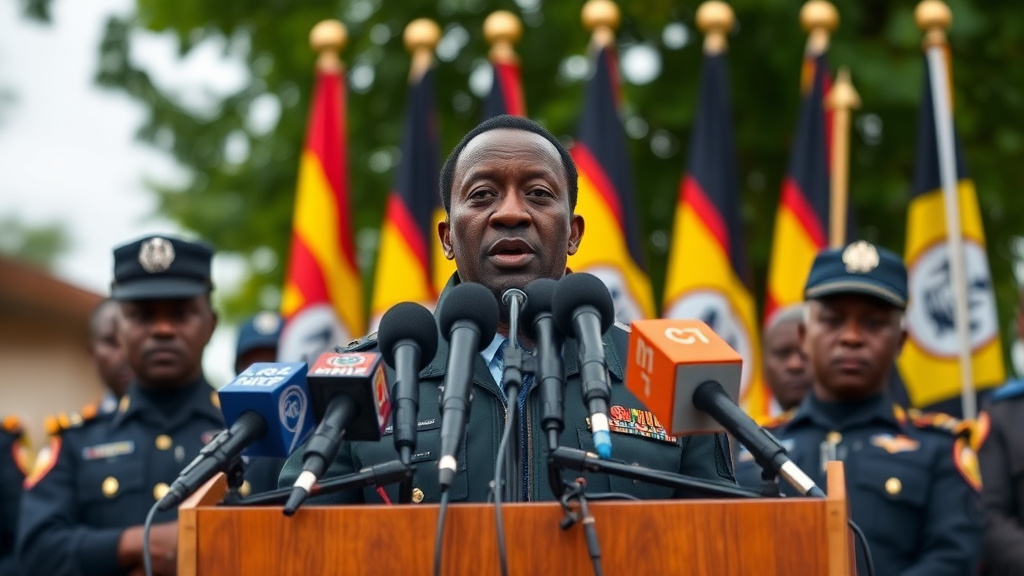
Ugandan security forces have completely withdrawn from the private residence of opposition leader Robert Kyagulanyi Ssentamu, commonly known as Bobi Wine, in Magere, Wakiso District. The removal of police presence marks the end of a controversial two-month siege that had effectively turned the National Unity Platform (NUP) president's property into a restricted zone, raising concerns about political persecution in the East African nation.
The siege began in January 2024 following heightened political tensions after Bobi Wine's continued criticism of President Yoweri Museveni's government. According to the Uganda Human Rights Commission, the police presence at Magere had severely restricted movement in and out of the compound, with visitors subjected to intense scrutiny and often denied access. The Commission documented at least 47 incidents of rights violations during the period of the siege.
Uganda has a long history of security forces being deployed to restrict opposition leaders' movements, particularly during political tensions. The practice dates back to the early 2000s, with similar incidents recorded during the house arrests of former opposition leader Dr. Kizza Besigye. Human Rights Watch reports that between 2020 and 2023, Ugandan opposition figures faced over 180 instances of restricted movement.
"The withdrawal of security forces from my home is a small victory for democracy, but the struggle for true political freedom in Uganda continues," Bobi Wine stated through his official social media channels. "For two months, my family lived under constant surveillance and intimidation, but our spirit remains unbroken."
Read Also
Kenyan AI Startup AfriLang Raises $15M to Build Language Models for 50+ African LanguagesNairobi-based AfriLang AI has closed a $15 million Series A to develop AI language models purpose-built for African languages, from Swahili to Wolof.
Police spokesperson Fred Enanga defended the previous deployment, stating, "The security presence was necessary to maintain public order and prevent potential security threats. The decision to withdraw was made after a comprehensive assessment of the security situation." However, he declined to provide specific details about what prompted either the initial deployment or the withdrawal.
The international community had been vocal about the siege, with the European Union Mission in Uganda expressing "deep concern" over the restricted movement of opposition leaders. According to diplomatic sources, several Western nations had privately urged the Ugandan government to end the deployment, viewing it as a violation of basic human rights and democratic principles.
The impact of the siege's end remains to be seen in Uganda's political landscape. Dr. Sarah Bireete, Director of the Center for Constitutional Governance in Kampala, believes this could signal a shift in government tactics. "While this is a positive development, we must remember that similar restrictions have been lifted before, only to be reimposed when political tensions rise. The real test will be whether the government allows genuine political competition in the future."
Source: AllAfrica
Source: AllAfrica
Related Articles
 Top Stories
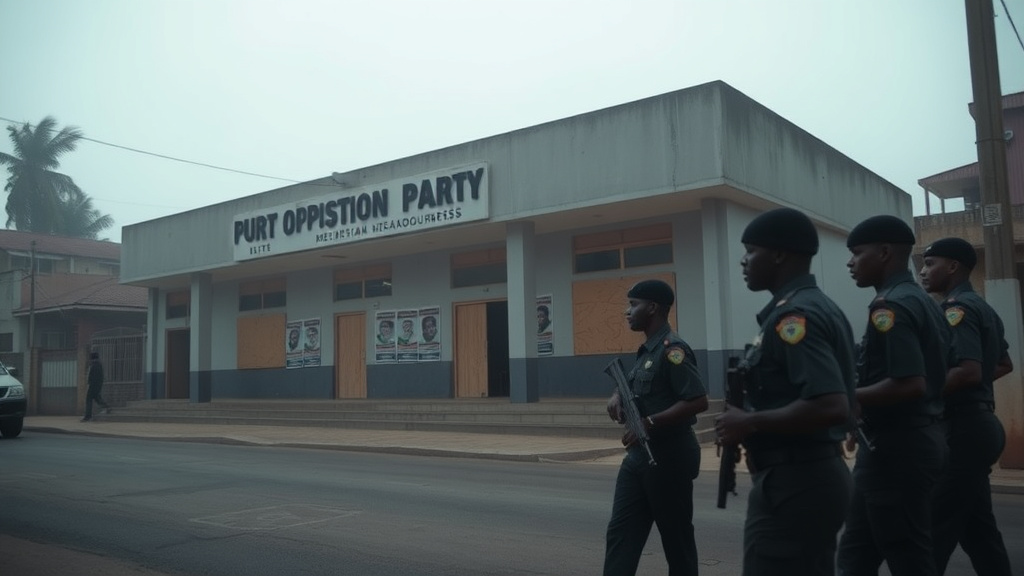
Bobi Wine Flees Uganda as Opposition Space Narrows Under Museveni
Opposition leader Bobi Wine's escape from Uganda highlights shrinking political freedoms and internal regime divisions under President Museveni's rule.
 Top Stories
Afreximbank and FCI to Host Major Trade Finance Conference in Kampala
African Export-Import Bank and FCI will host a major conference on factoring and trade finance in Uganda, aiming to boost SME access to funding and increase intra-African trade.
 Top Stories
Afreximbank Uganda Conference to Boost African Trade Finance for 2000+ SMEs
Major financial conference in Kampala aims to expand access to trade finance for African SMEs. Afreximbank and FCI partner to promote factoring and receivables solutions across the continent.