MSF Reports Widespread Sexual Violence Against Women in Darfur Conflict
Medical aid group documents systematic use of sexual violence as weapon of war across Sudan's Darfur region. No safe zones exist for women amid ongoing conflict.

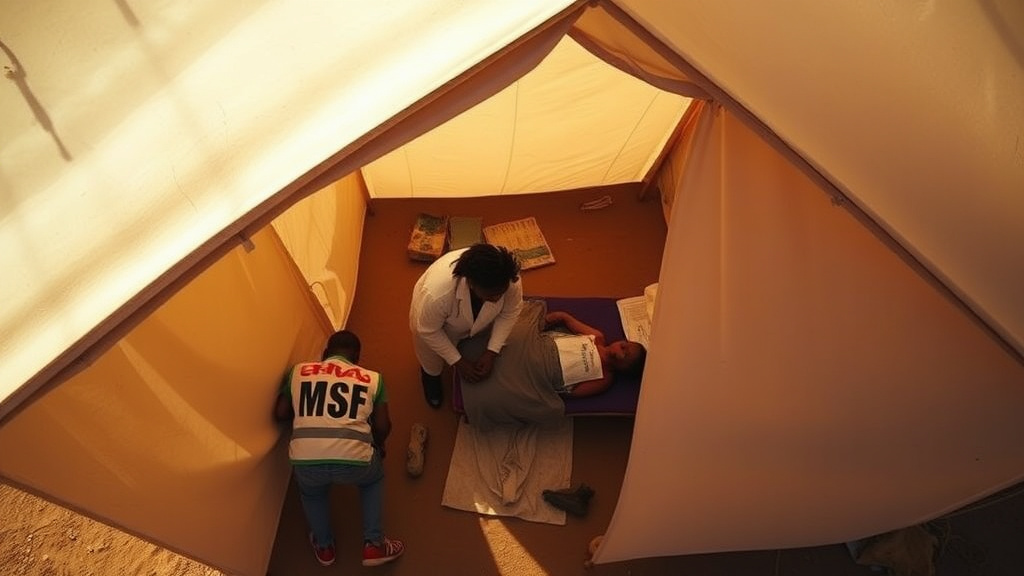
Médecins Sans Frontières (MSF) has released a damning report documenting the systematic use of sexual violence as a weapon of war across Sudan's Darfur region, revealing that women face assault both within active conflict zones and in areas previously considered safe. The medical humanitarian organization's findings underscore the deteriorating security situation for civilians, particularly women and girls, as Sudan's civil war continues to ravage the western region. According to MSF Emergency Coordinator Myriam Laroussi, the organization's teams are witnessing unprecedented levels of gender-based violence that extend far beyond traditional frontlines of conflict.
Escalating Crisis in Sudan's Western Region
The current wave of violence in Darfur represents a tragic continuation of the region's troubled history, which has seen multiple conflicts since 2003 that have displaced over 2.5 million people according to UN estimates. Darfur, comprising an area roughly the size of Spain, has been plagued by ethnic tensions between Arab and non-Arab communities, competition over scarce resources, and political marginalization. The region's five states - North, South, East, West, and Central Darfur - have experienced varying degrees of instability, but the current conflict has created what aid workers describe as a humanitarian catastrophe of unprecedented scale.
MSF's report comes as Sudan's broader civil war, which began in April 2023 between the Sudanese Armed Forces and the Rapid Support Forces, has intensified in Darfur. The conflict has created a power vacuum that has enabled various armed groups to operate with impunity, targeting civilian populations with particular brutality against women and girls. International observers note that the current violence bears disturbing similarities to the genocide that occurred in Darfur two decades ago, when an estimated 300,000 people were killed and 2.7 million displaced.
Medical Teams Document Systematic Attacks
Myriam Laroussi, MSF's Emergency Coordinator in Darfur, emphasized the scope of the crisis during recent interviews with international media. "What we are seeing is not random violence, but a deliberate strategy to terrorize communities and force displacement," Laroussi stated, describing her team's experiences treating survivors across multiple locations in Darfur. The medical organization has documented cases of sexual violence occurring in displacement camps, markets, and even in areas where women seek water or firewood for their families, indicating that no location provides safety for female civilians.
MSF teams have treated hundreds of survivors of sexual violence since the current conflict escalated, with many cases involving multiple perpetrators and extreme brutality. The organization's medical data shows a 400% increase in survivors seeking post-exposure prophylaxis and emergency contraception compared to pre-conflict levels, according to internal MSF statistics. Healthcare workers report that many survivors arrive at facilities days or weeks after attacks due to stigma, fear of reprisals, or inability to access medical care safely.
Read Also
Kenyan AI Startup AfriLang Raises $15M to Build Language Models for 50+ African LanguagesNairobi-based AfriLang AI has closed a $15 million Series A to develop AI language models purpose-built for African languages, from Swahili to Wolof.
The psychological trauma extends beyond direct victims, affecting entire communities who live in constant fear. "Women tell us they cannot sleep, cannot leave their shelters, cannot perform basic daily activities without terror," explained Dr. Ahmed Hassan, a local physician working with MSF in West Darfur. The organization has documented cases where entire families have been targeted, with sexual violence used as a tool to humiliate and destroy social fabric within targeted ethnic communities.
International Response and Humanitarian Challenges
The international community has struggled to respond effectively to the crisis in Darfur, with humanitarian access severely restricted by ongoing fighting and deliberate obstruction by armed groups. The African Union-United Nations Hybrid Operation in Darfur (UNAMID) officially ended its mandate in December 2020, leaving a significant security vacuum that has been exploited by various armed actors. Current UN peacekeeping presence in Sudan is limited, with the UN Integrated Transition Assistance Mission (UNITAMS) lacking the mandate and resources to provide civilian protection.
European Union officials have condemned the systematic use of sexual violence in Darfur, with EU Special Representative for Human Rights Eamon Gilmore stating, "The deliberate targeting of women and girls represents a grave violation of international humanitarian law that demands immediate accountability." However, concrete international action has been limited, with diplomatic efforts focused primarily on broader ceasefire negotiations that have repeatedly failed to materialize into lasting peace.
The humanitarian response faces significant funding shortfalls, with the UN's 2024 humanitarian response plan for Sudan only 23% funded as of March 2024, according to the UN Office for the Coordination of Humanitarian Affairs. This funding crisis has forced organizations like MSF to make difficult decisions about resource allocation while demand for services continues to grow exponentially.
The situation in Darfur represents a critical test for international commitment to protecting civilians and preventing mass atrocities. Without immediate action to ensure humanitarian access, provide protection for vulnerable populations, and hold perpetrators accountable, the region risks experiencing another cycle of violence that could destabilize the broader Sahel region. MSF's report serves as a stark reminder that behind every statistic lies a human story of suffering that demands urgent international attention and response.
Source: AllAfrica
Related Articles
 Top Stories
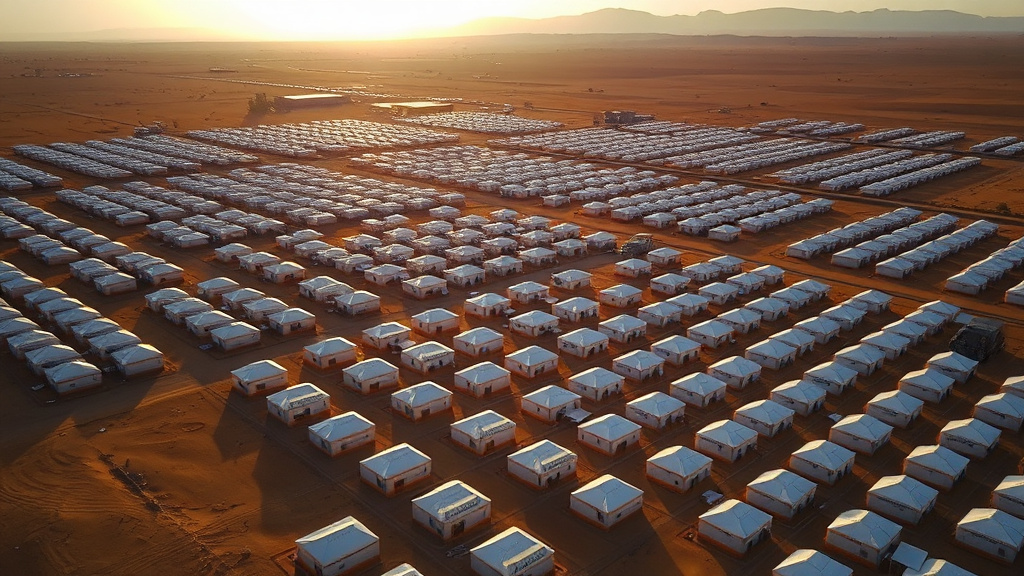
Sudan Displacement Crisis Reaches 9 Million People in Darfur Region
Over 9 million Sudanese remain internally displaced with ongoing displacement in Darfur, Kordofan, and Blue Nile states despite some returns.
 Top Stories
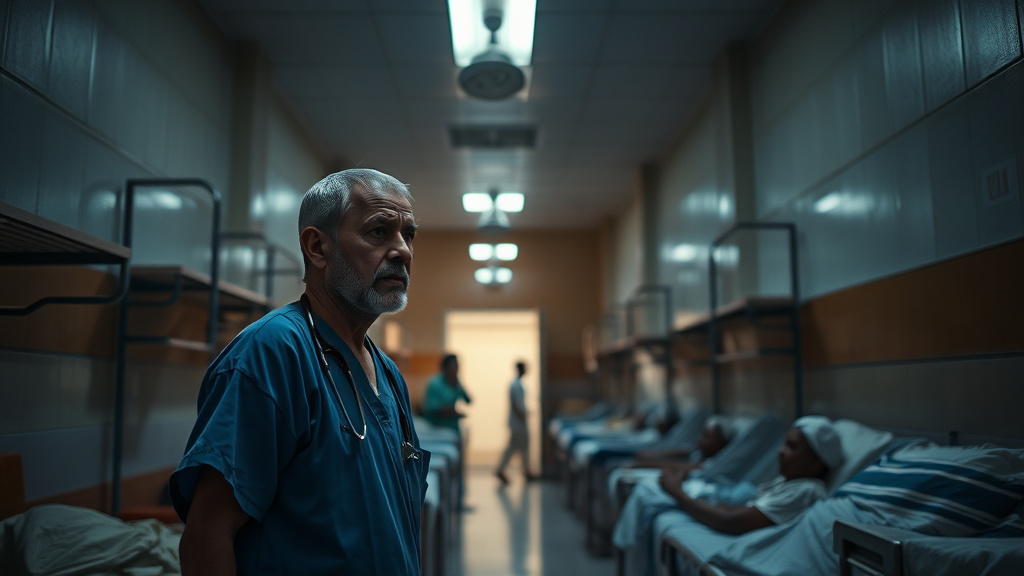
Sudan Health Workers Face Medical Crisis as 15,000 Flee South Kordofan Violence
Medical staff at South Kordofan maternity hospital struggle with severe shortages as violence displaces thousands. Healthcare system collapses under pressure.
 Top Stories
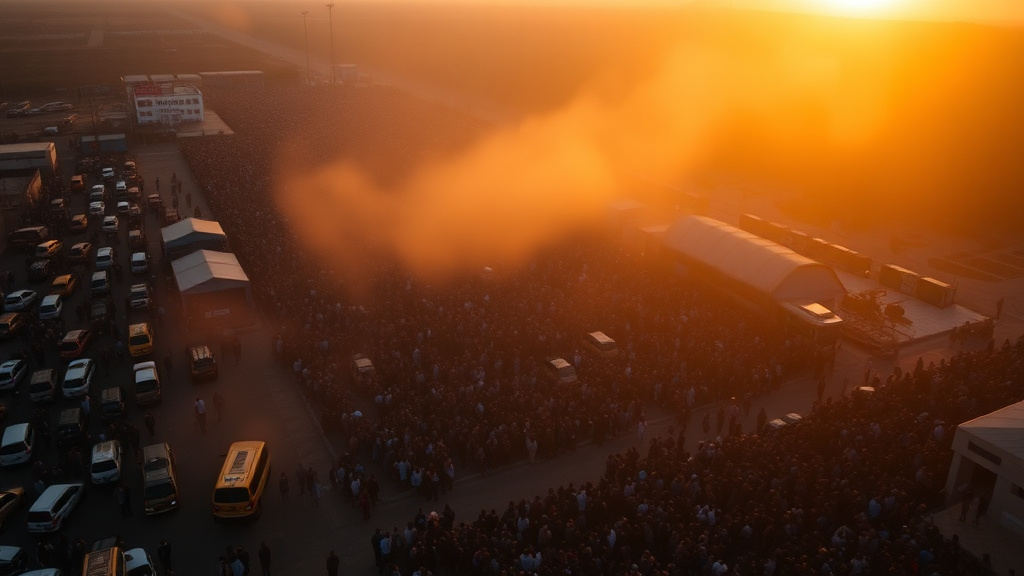
Global Fund Grants $1.6M Emergency TB Support for Crisis-Hit Sudan Through 2026
The Global Fund approves $1.6 million in emergency funding to support tuberculosis diagnosis and treatment for displaced Sudanese. Program targets IDPs and host communities through 2026.