Africa Braces for Fuel Price Surge as Hormuz Strait Disruptions Escalate
Continental supply chain experts warn of rising fuel and food costs as shipping disruptions in critical Middle Eastern waterway threaten African imports.

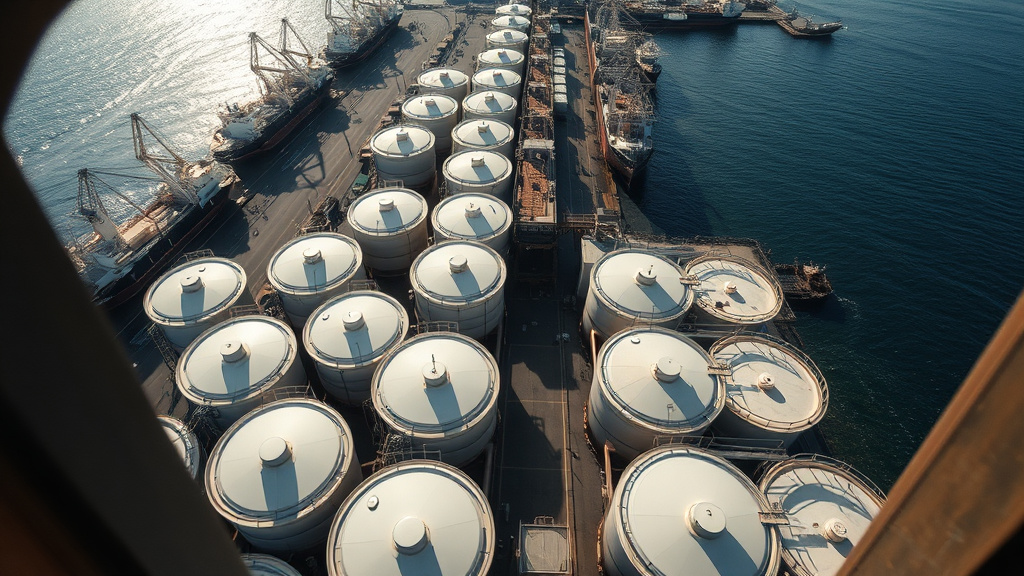
The Africa Supply Chain Confederation has issued urgent warnings that the continent faces significant fuel and food price increases as escalating disruptions in the Strait of Hormuz threaten critical supply routes. The strategic waterway, through which approximately 21% of global petroleum liquids pass according to the U.S. Energy Information Administration, serves as a vital artery for African energy imports, with many countries heavily dependent on Middle Eastern crude oil and refined products.
Strategic Importance of Hormuz for African Energy Security
The Strait of Hormuz represents one of the world's most critical maritime chokepoints, with nearly 35% of all seaborne traded oil passing through its narrow 21-mile width at the closest point between Iran and Oman. For African nations, this disruption poses particular challenges given that countries like Ghana, Kenya, and South Africa import significant portions of their refined petroleum products from Gulf states. According to the African Development Bank's 2023 energy report, sub-Saharan Africa imports approximately 40% of its refined petroleum products, with a substantial portion originating from facilities in the Persian Gulf region.
The confederation's assessment highlights how African supply chains remain vulnerable to external shocks, particularly in energy and food commodities that require complex international logistics networks. Historical precedents demonstrate the continent's sensitivity to such disruptions - during the 2019 tanker attacks in the Gulf, several West African countries experienced fuel shortages that lasted weeks, with pump prices rising by an average of 15-20% across the region.
Food Security Implications Across the Continent
Beyond fuel concerns, the Hormuz disruptions threaten Africa's food security through multiple channels, as rising transportation costs directly impact agricultural commodity prices. The Food and Agriculture Organization reported in 2023 that Africa imports approximately $43 billion worth of food annually, with much of this cargo transported via shipping routes that depend on stable fuel costs for economic viability. Countries like Nigeria, Egypt, and Morocco, which rely heavily on wheat imports, face particular vulnerability as shipping companies typically pass increased fuel costs directly to consumers through higher freight rates.
"The ripple effects of Hormuz disruptions extend far beyond immediate fuel prices," explained Dr. Amina Hassan, a trade economist at the University of Cape Town's African Centre for Supply Chain Studies. "When transportation costs surge, it affects everything from the price of bread in Lagos markets to agricultural inputs for smallholder farmers in rural Kenya." The interconnected nature of global supply chains means that even countries with minimal direct trade through the Persian Gulf still experience price shocks through secondary market effects.
Read Also
CAF in Advanced Talks for African Super League With $200M Prize PoolThe Confederation of African Football is negotiating a continental club competition with a $200 million prize pool — more than 10x the current CAF Champions League purse.
Government and Industry Response Strategies
African governments and industry leaders are implementing various strategies to mitigate the impact of these supply chain disruptions, though options remain limited for most countries lacking significant strategic petroleum reserves. The West African regional bloc ECOWAS announced preliminary discussions about coordinated fuel purchasing agreements to leverage collective bargaining power, while individual nations like Ghana and Senegal are exploring temporary fuel subsidy programs to cushion consumers from immediate price shocks.
"We are actively monitoring the situation and working with our international partners to ensure supply continuity," stated James Mbeki, spokesperson for the Africa Supply Chain Confederation, during a recent press briefing in Accra. The confederation has established an emergency coordination center to track shipping delays and help member organizations identify alternative supply routes, though these typically involve longer transit times and higher costs that ultimately reach consumers.
The current crisis underscores Africa's need for greater energy independence and more resilient supply chain infrastructure. While some progress has been made in developing regional refining capacity - with projects like Nigeria's Dangote Refinery and planned facilities in Angola - the continent remains heavily dependent on global energy markets for the foreseeable future. The immediate priority involves managing price volatility while building longer-term strategic reserves and diversifying supply sources to reduce vulnerability to geopolitical disruptions in critical maritime chokepoints.
As tensions in the Middle East continue to affect global shipping patterns, African consumers and businesses must prepare for sustained periods of higher energy and food costs, with the most vulnerable populations likely bearing the greatest burden of these external economic pressures.
Source: AllAfrica
Related Articles
 Top Stories
Afreximbank Launches $10M Digital Trade Accelerator Program for African Startups
African Export-Import Bank initiates groundbreaking accelerator program in Cairo, supporting 8 tech startups to boost continental digital trade ecosystem with $10M in potential funding.
 Top Stories
Nigerian Terror Suspects Admit Spying on US, Israeli Embassies in Abuja Court Case
Three terror suspects face trial in Abuja for allegedly conducting surveillance on US and Israeli diplomatic missions in Nigeria on behalf of Iranian contacts. Court grants accelerated hearing.
 Top Stories
Nigerian Court Fast-tracks Trial of 3 Iranian Embassy Spying Suspects
Three terror suspects face trial in Abuja for allegedly conducting surveillance on US and Israeli embassies in Nigeria on behalf of Iranian contacts. The case highlights growing concerns about international espionage networks.