South African Churches Mark Good Friday Amid Global War and Suffering
Cape Town religious leaders reflect on Holy Week's meaning during times of conflict. Churches across South Africa observe solemn traditions while addressing contemporary suffering.

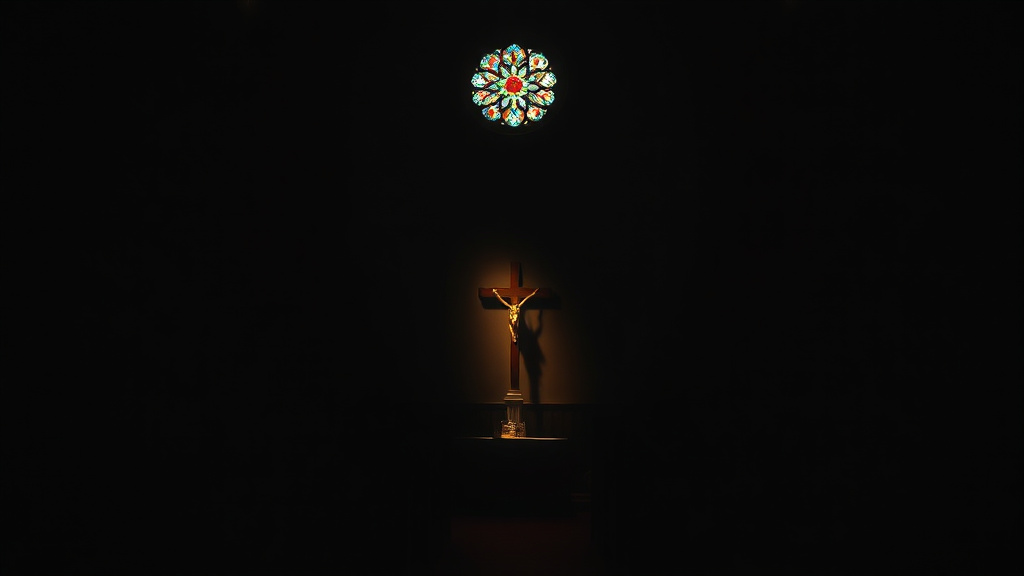
Religious communities across South Africa marked Good Friday with solemn reflection on suffering and redemption, as church leaders drew parallels between the crucifixion narrative and contemporary global conflicts. Cape Town congregations and churches throughout the country observed Holy Week traditions while grappling with the weight of modern-day wars, social injustice, and economic hardship affecting millions across the African continent. The observance comes as South Africa's Christian population, representing approximately 86% of the nation's 60 million people according to Statistics South Africa, seeks spiritual guidance amid ongoing challenges including high unemployment rates exceeding 32% and persistent inequality.
Holy Week Traditions Gain New Meaning During Global Conflicts
Holy Week stands as the period when the church deliberately steps into the heart of human suffering, encompassing the pain of betrayal, the sting of abandonment, the injustice of judicial murder, and the haunting silence of God. The significance of this week lies in the enormity of what it represents, particularly in the Eastern tradition where it is called Megale Hebdomas, the Great Week, precisely because it confronts the most profound events in the Christian story. South African churches have historically used this period to address social justice issues, drawing from the country's liberation theology tradition that emerged during the apartheid era. Archbishop Emeritus Desmond Tutu's legacy continues to influence how local congregations interpret the passion narrative in relation to contemporary suffering and injustice.
The observance takes on particular resonance in a country where many communities continue to experience violence and displacement. Cape Town alone has recorded over 3,000 murders in the past year according to South African Police Service statistics, while conflicts across the continent have displaced millions of people. Churches across the Western Cape, Eastern Cape, and Gauteng provinces have reported increased attendance during Holy Week services, with many congregants seeking solace and meaning amid personal and collective struggles. The South African Council of Churches has emphasized the importance of using this sacred time to address both spiritual and material needs of communities affected by violence and poverty.
Religious Leaders Address Contemporary Suffering and Social Justice
Church leaders across denominational lines have used Good Friday sermons to address the intersection of faith and social responsibility in modern South Africa. "The cross speaks directly to our current reality of suffering, whether it's the pain of unemployment, the trauma of violence in our communities, or the broader conflicts we witness globally," stated Reverend Dr. Frank Chikane of the South African Council of Churches during a Cape Town service. The message resonates particularly strongly in townships and informal settlements where poverty and crime continue to affect daily life. Many congregations have organized community outreach programs during Holy Week, distributing food parcels and providing counseling services to families affected by violence and economic hardship.
Read Also
Springboks Include 19-Year-Old Flanker Siya Mthethwa in 35-Man Squad for All Blacks SeriesHead coach Rassie Erasmus picks uncapped 19-year-old Siya Mthethwa — with just four Super Rugby caps — in a bold selection for the test series against New Zealand.
The timing of this year's Good Friday observance coincides with increased global attention to conflicts in various regions, prompting South African religious leaders to draw connections between local and international suffering. Churches have organized prayer services specifically focused on peace initiatives, reflecting the country's historical role in conflict resolution across Africa. The South African government's foreign policy emphasis on peaceful resolution of conflicts aligns with many churches' theological emphasis on reconciliation and justice. Religious communities have also addressed the ongoing challenges facing refugees and asylum seekers in South Africa, with an estimated 268,000 refugees currently residing in the country according to the United Nations High Commissioner for Refugees.
Community Response and Spiritual Reflection During Crisis
The observance of Good Friday in South African communities reflects a deep-rooted tradition of finding hope amid adversity, drawing from both Christian theology and the nation's history of overcoming systemic oppression. "In times of war and conflict, the message of the cross becomes even more relevant as it speaks to God's solidarity with human suffering," explained Dr. Tinyiko Maluleke, a prominent theologian at the University of Pretoria. Churches across the country have adapted their traditional Good Friday services to include specific prayers for peace in conflict zones while addressing local concerns about crime, corruption, and economic inequality. The intersection of faith and social action remains central to many South African Christian communities' understanding of religious observance.
The impact of this year's Holy Week observances extends beyond traditional religious boundaries, as churches continue to play crucial roles in community development and social services across South Africa. Many congregations have established feeding schemes, youth programs, and conflict mediation services that operate throughout the year but receive particular attention during significant religious periods. The emphasis on suffering and redemption during Holy Week provides a theological framework for addressing ongoing challenges while maintaining hope for transformation and healing. As South Africa continues to grapple with high levels of inequality and social tension, religious communities remain important spaces for fostering dialogue, providing support, and advocating for justice and peace.
Source: AllAfrica - https://allafrica.com/stories/202604020143.html
Source: AllAfrica
Related Articles
 Top Stories
Cape Mental Health Champions Rights for 50,000 Vulnerable South Africans
Non-profit organization advocates for dignity and inclusion of people with intellectual disabilities across Western Cape communities.
 Top Stories
South African Health Minister Opens Dialogue on NHI Implementation Amid Legal Challenges
Health Minister Aaron Motsoaledi initiates talks with medical organizations to address concerns over the National Health Insurance Act, as multiple stakeholders prepare legal challenges.
 Top Stories
France Denies Excluding South Africa from G7 Summit Amid Diplomatic Tensions
French officials refute claims of US pressure leading to South Africa's G7 summit exclusion, as Kenya receives invitation. The diplomatic row highlights shifting African representation in global forums.